Lake Nyerere Update: 29 Sep – 9 Oct 2026
Back to Nyerere
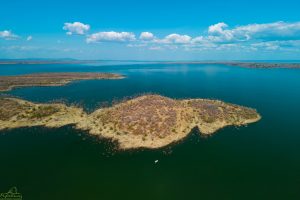
In July, Ryan Hammond, Paul Boyers, Tim Babich and I came home from Lake Nyerere with stories that sounded almost too good to be true. Blue tigers up to 16.5 lb, shoals of fish following hooked ones to the boat, and a lake that nobody had really fished before. For anyone who has spent a lifetime chasing tigerfish, a trip like that raises one obvious question: was it a lucky week, or is this place the real deal?
At the end of September, Tim, Nic Isabelle and I went back to find out. The plan was simple. Fish the lake in late spring, traditionally the best time of year for tigerfish, compare it with the winter conditions of July, and push further into water nobody had ever cast a fly at. We also wanted to see how far the lodge had come, because in less than nine months our first guests will be arriving.
This is what we found.
The Fishing
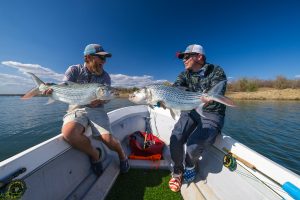 The short answer is that July was no flash in the pan.
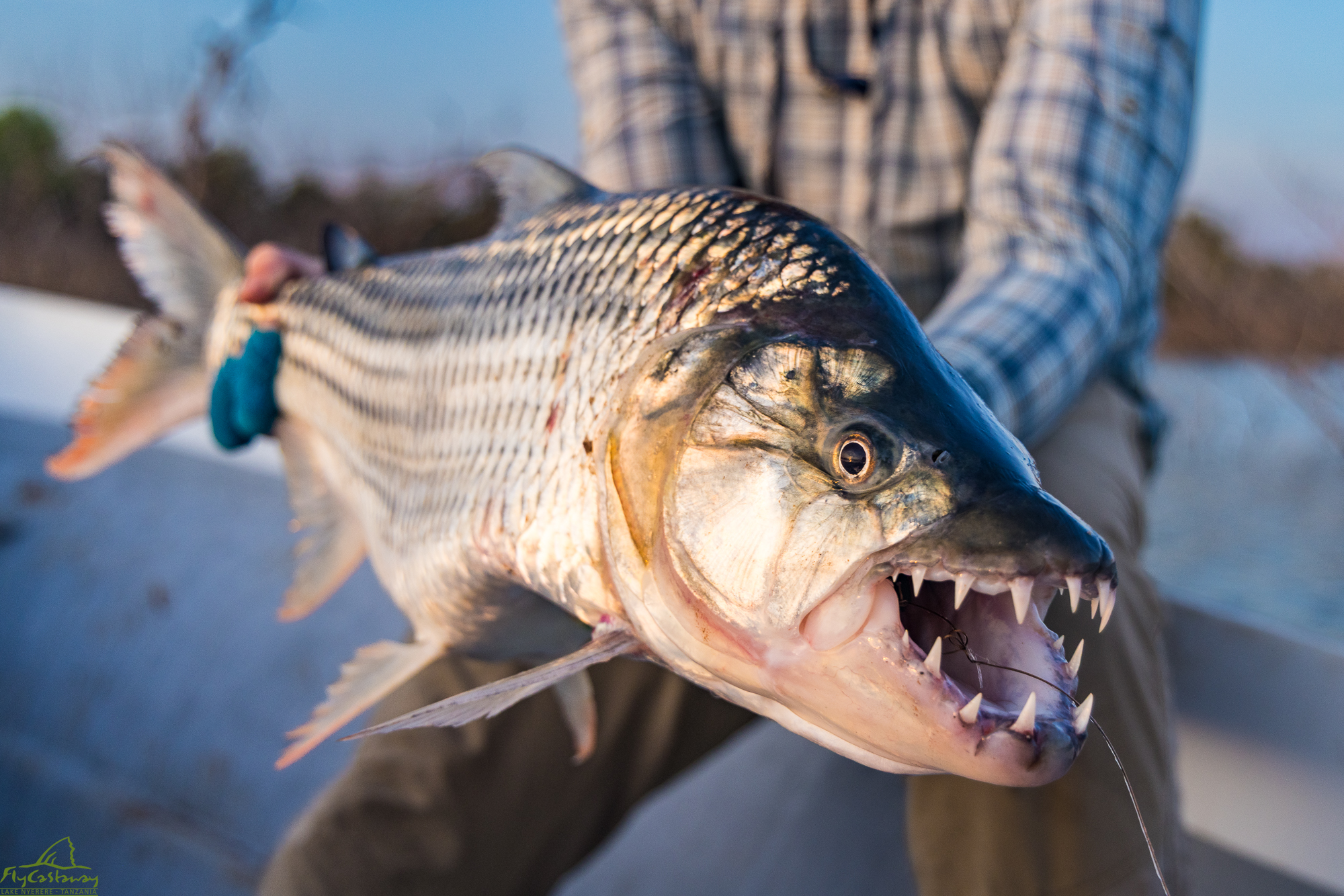
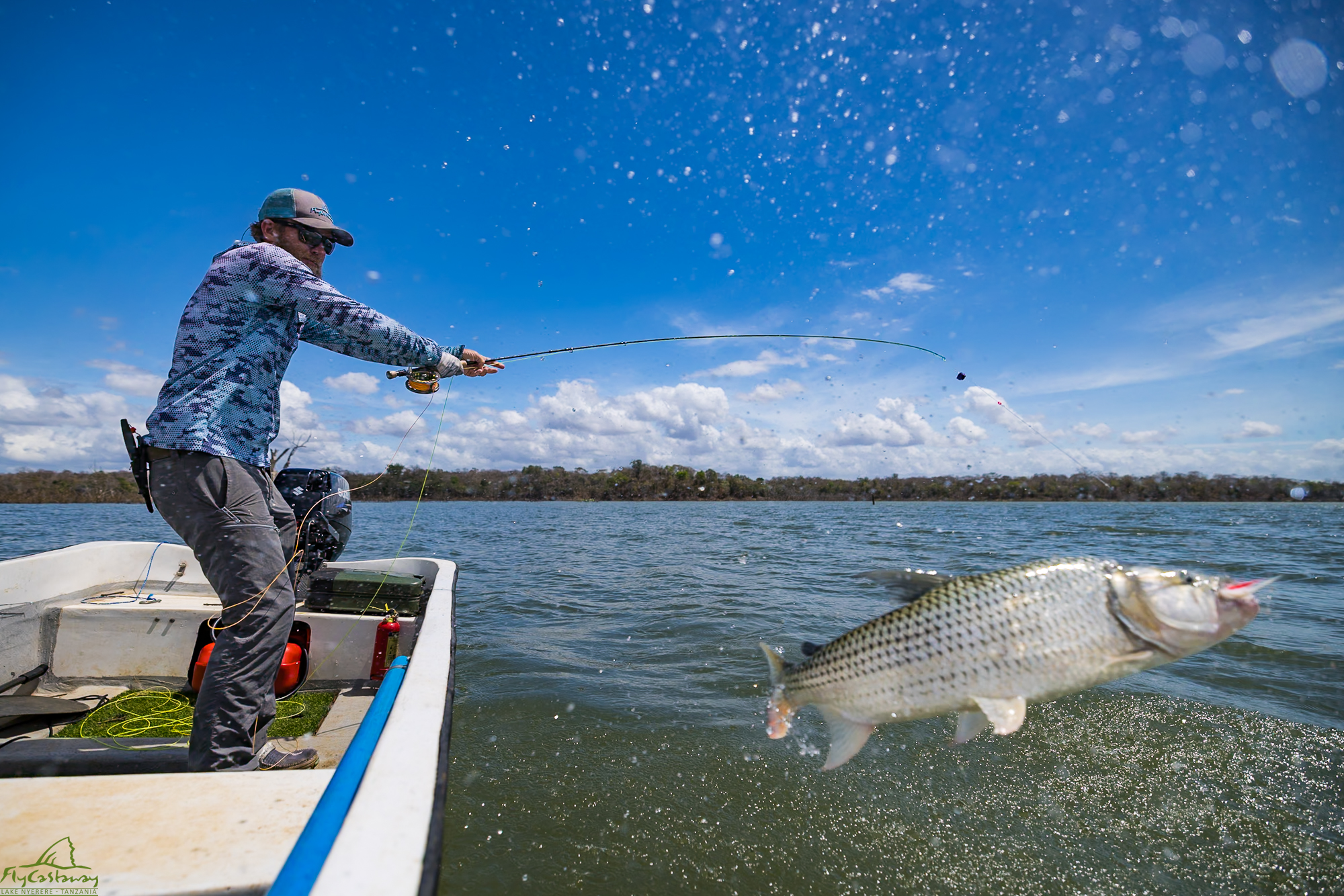
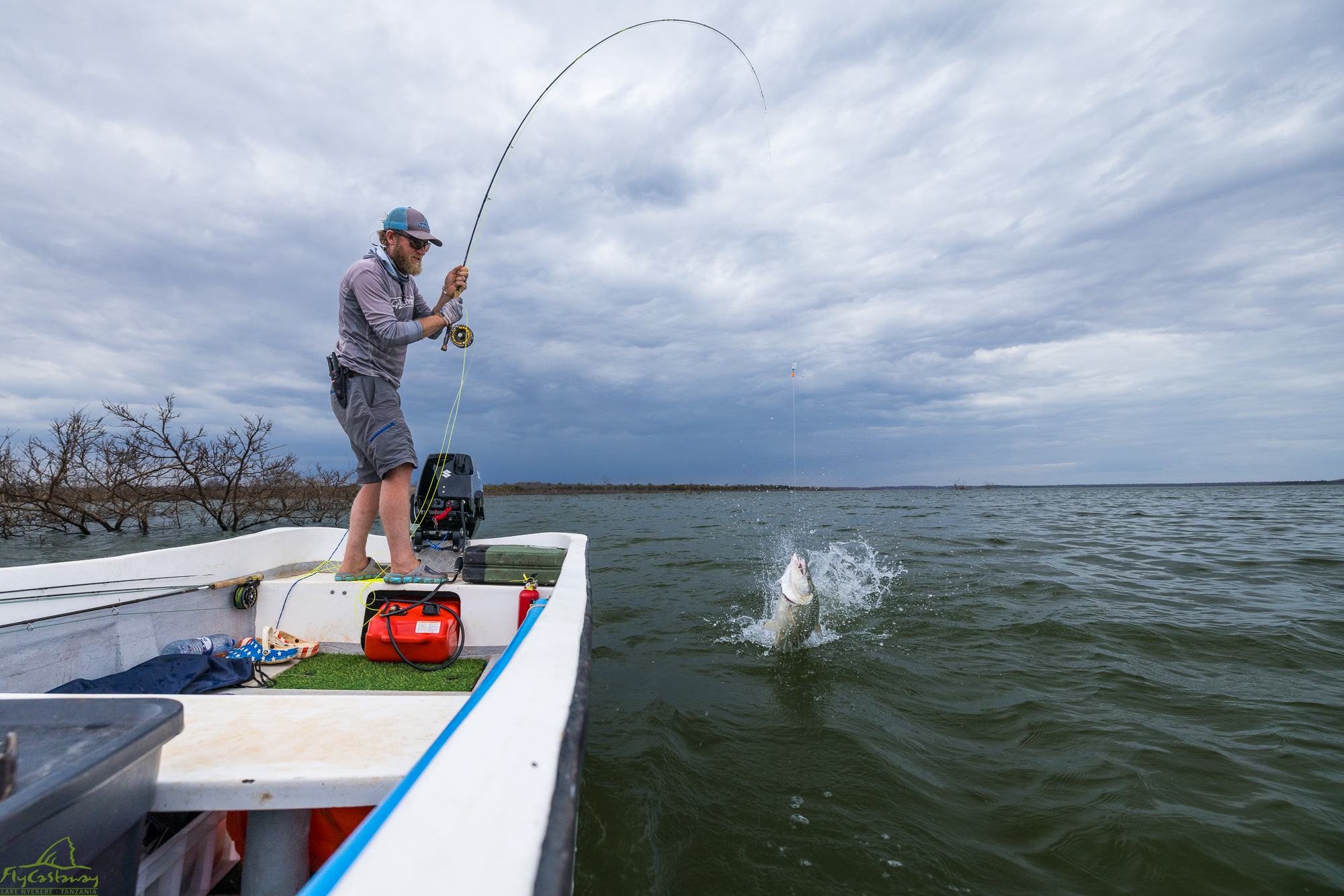
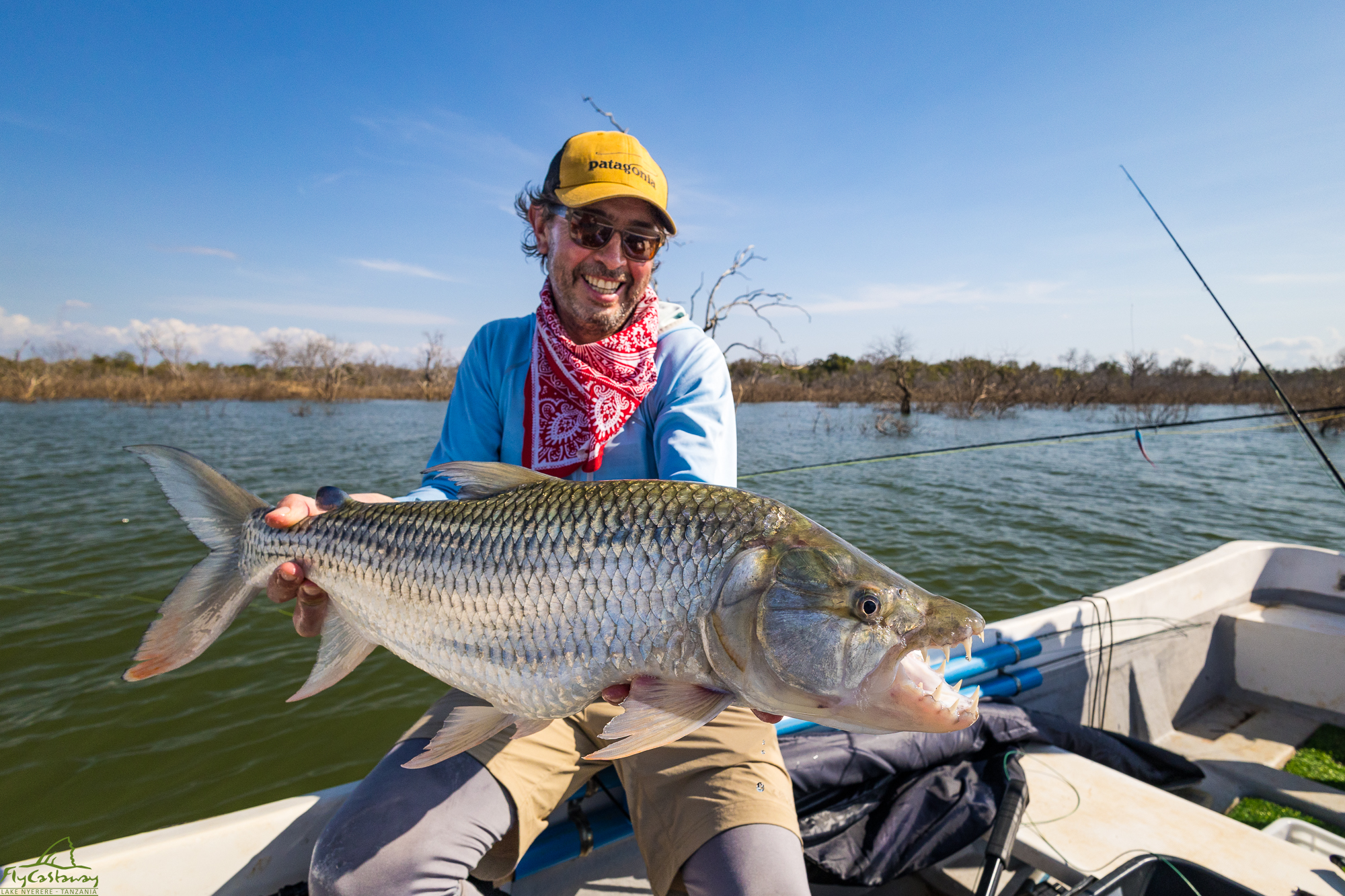
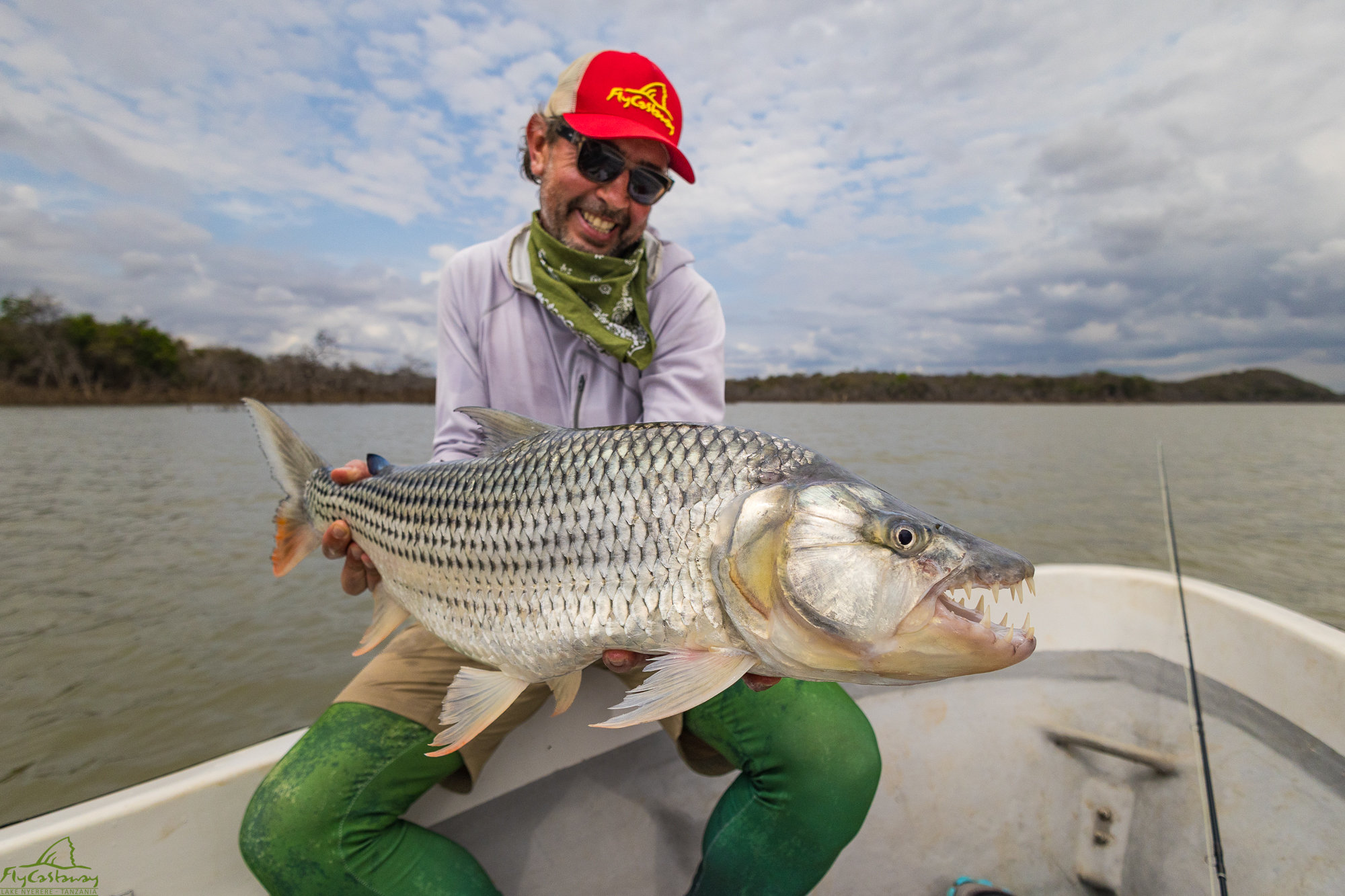
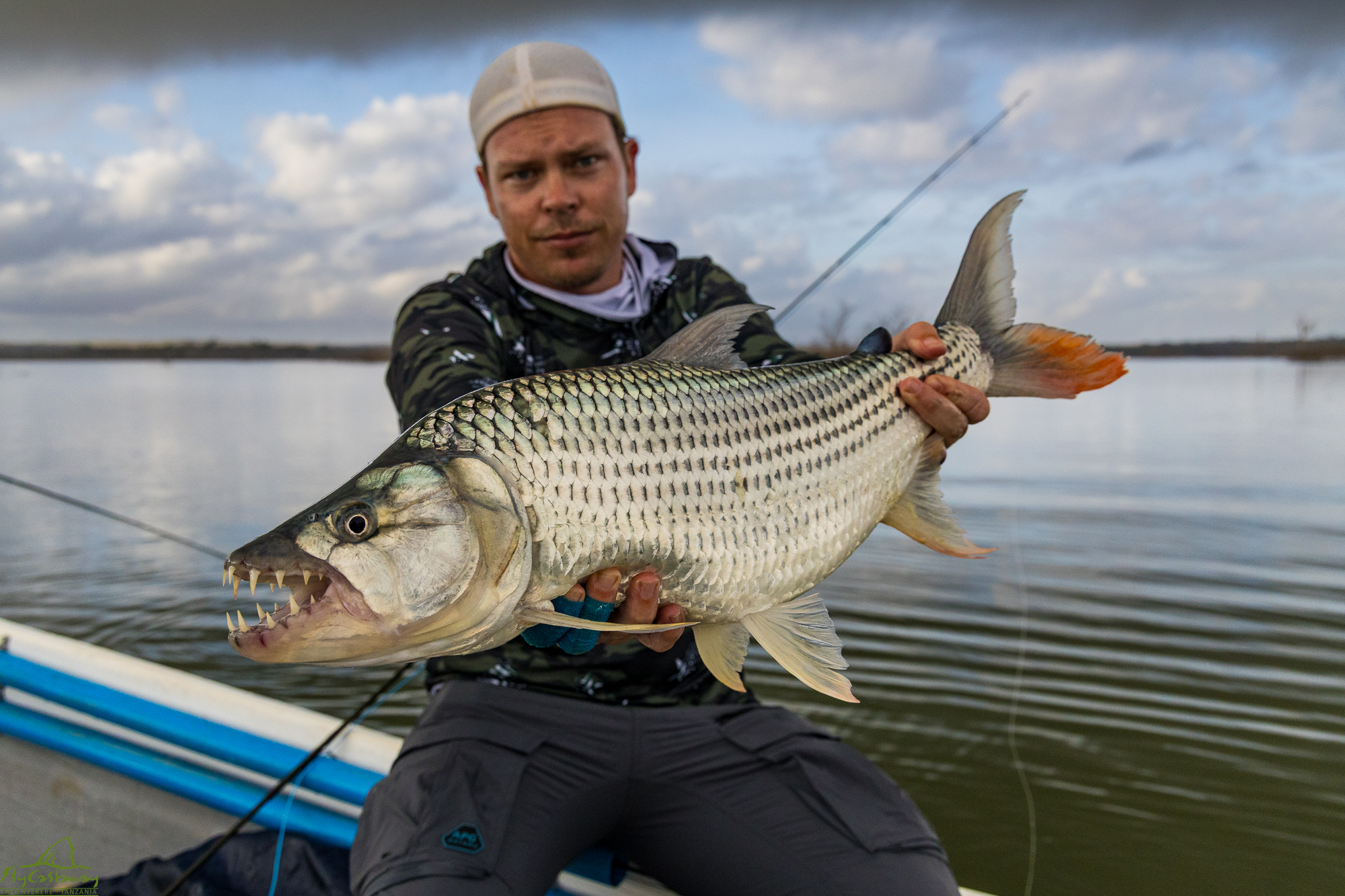
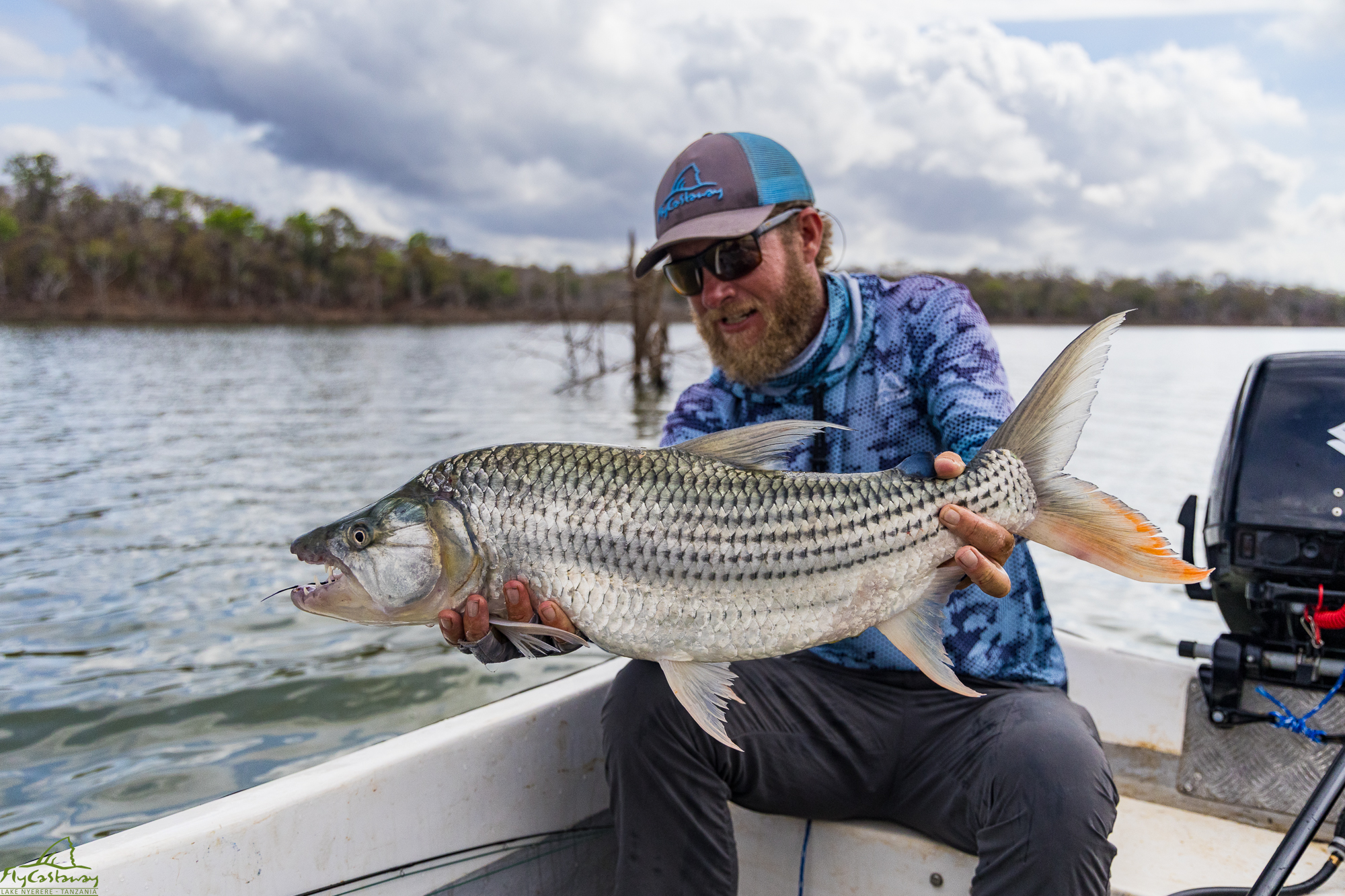
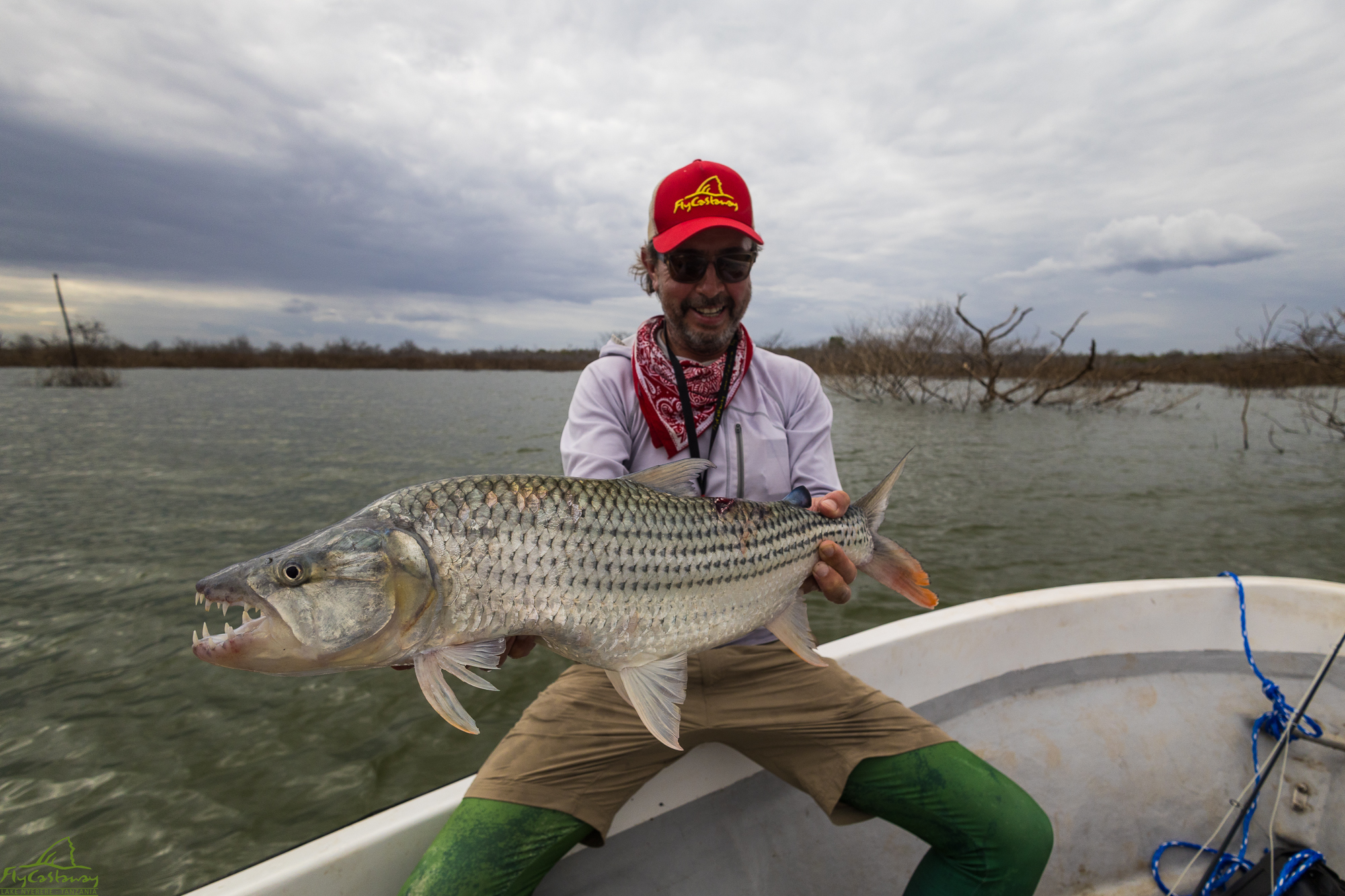
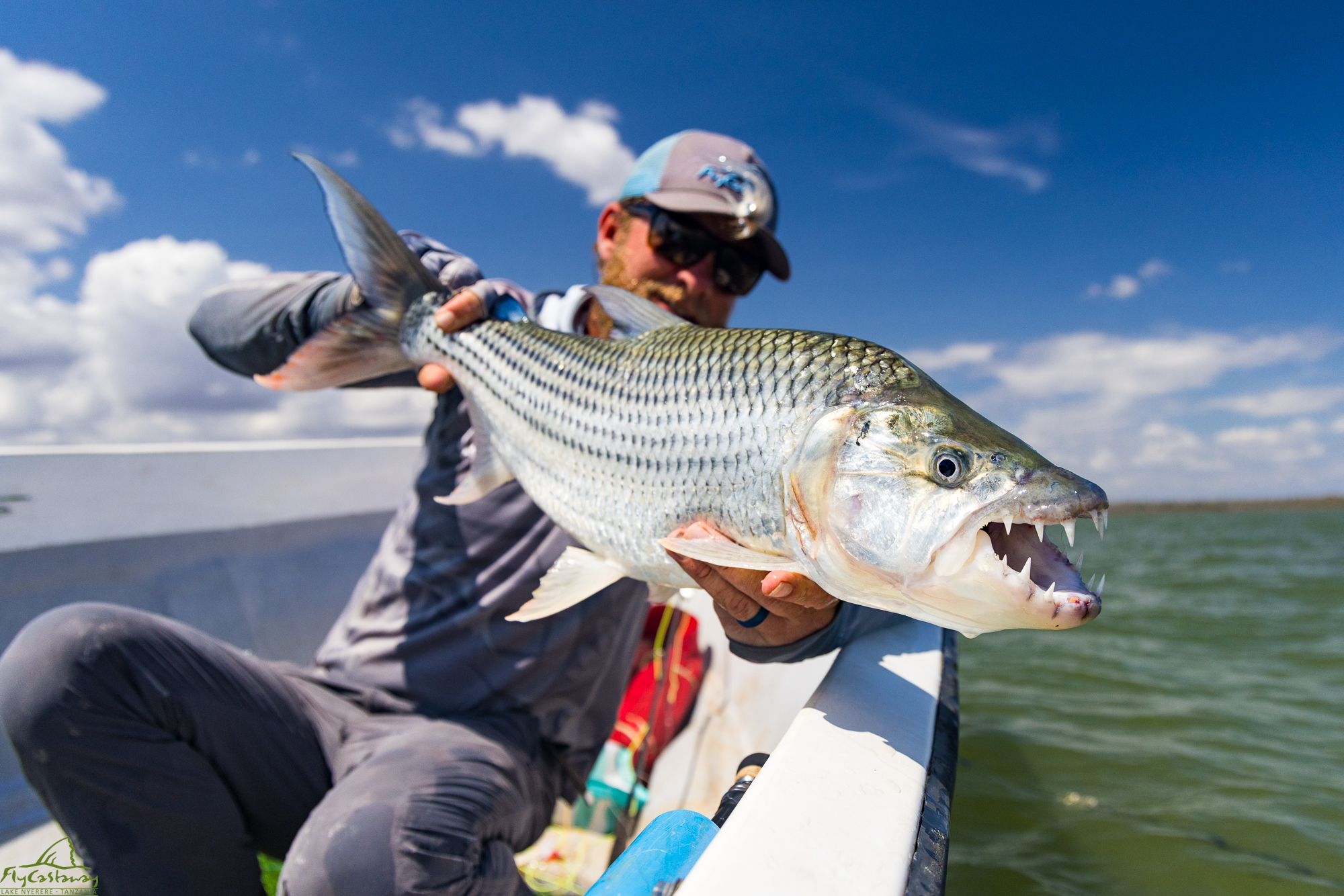
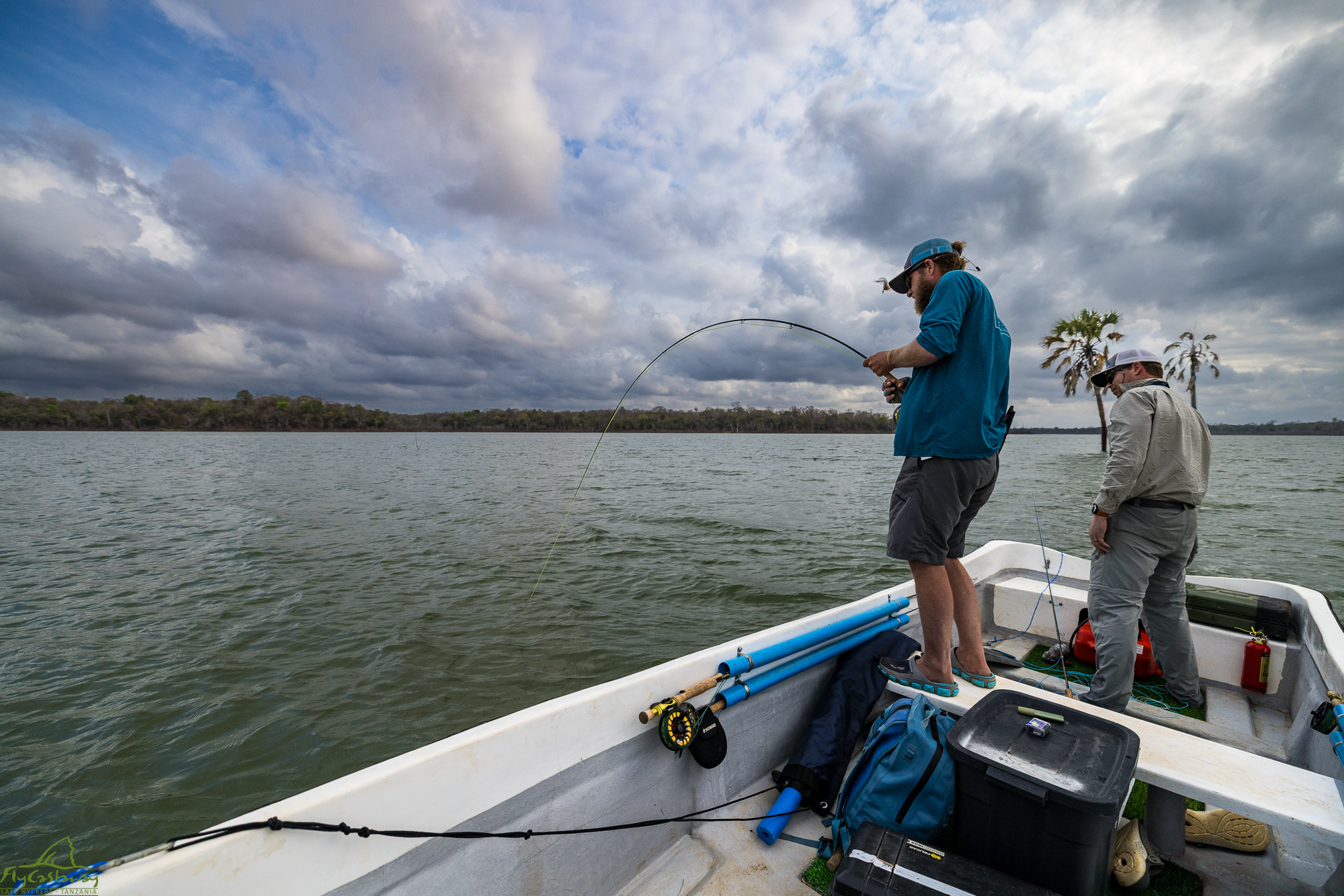
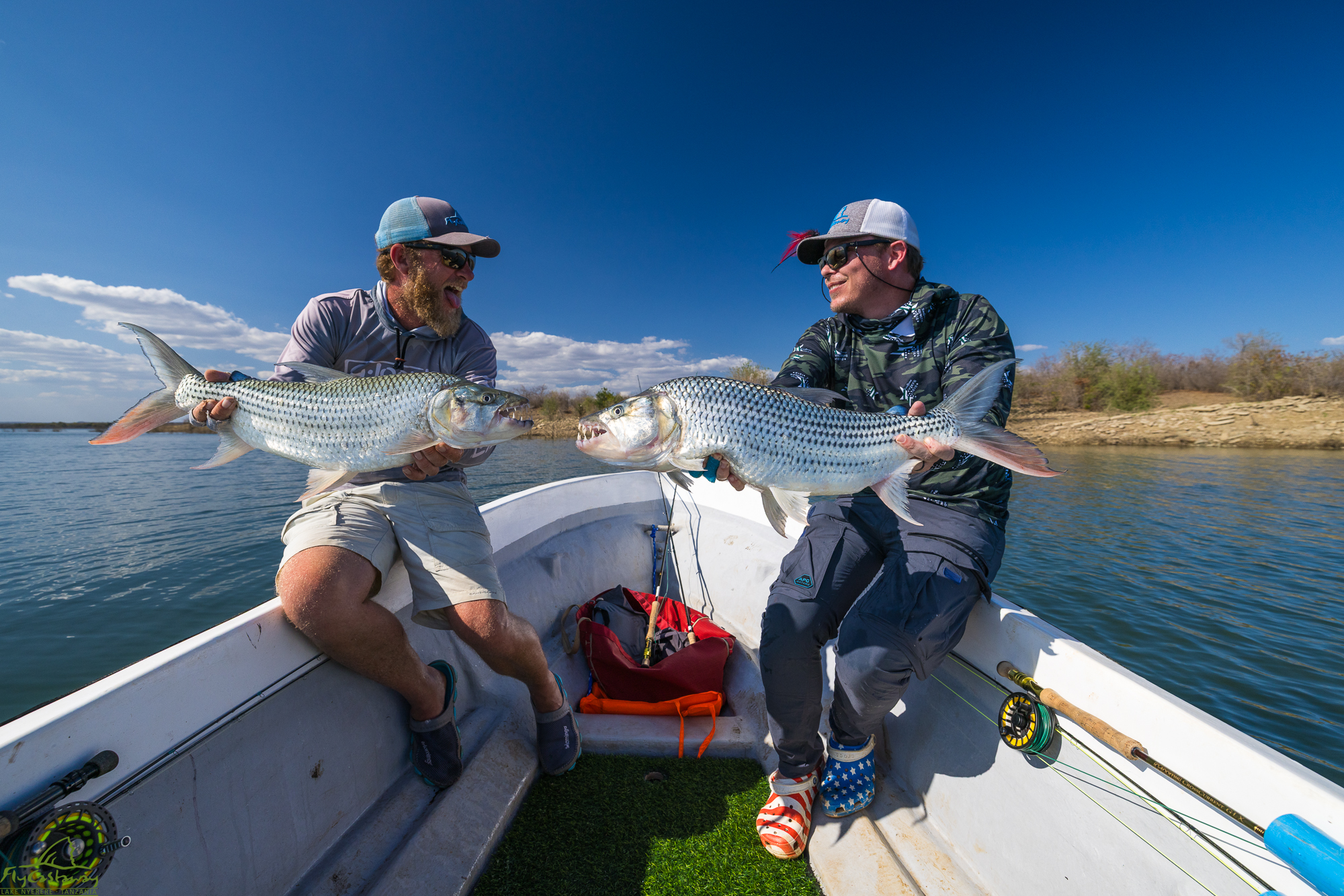
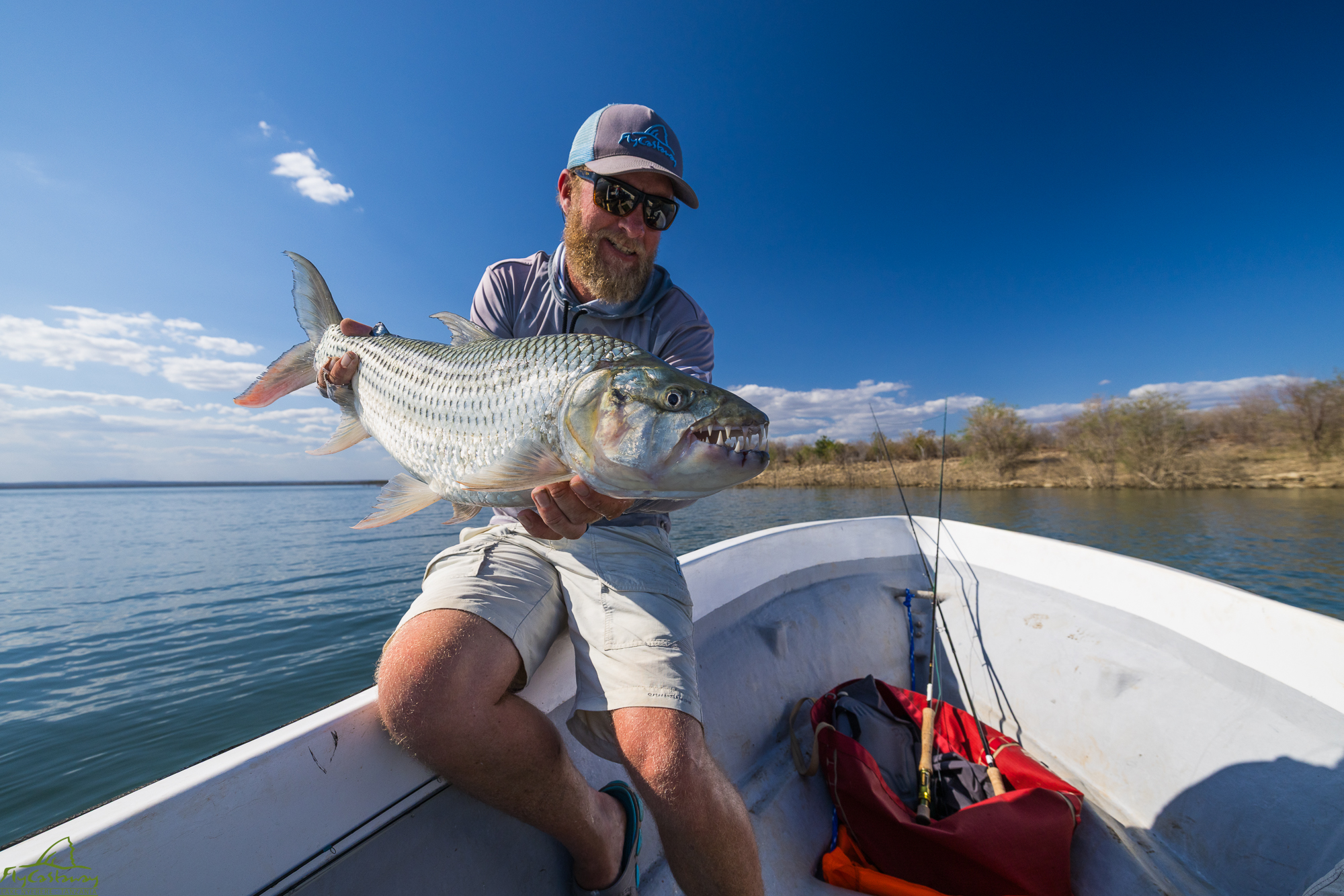
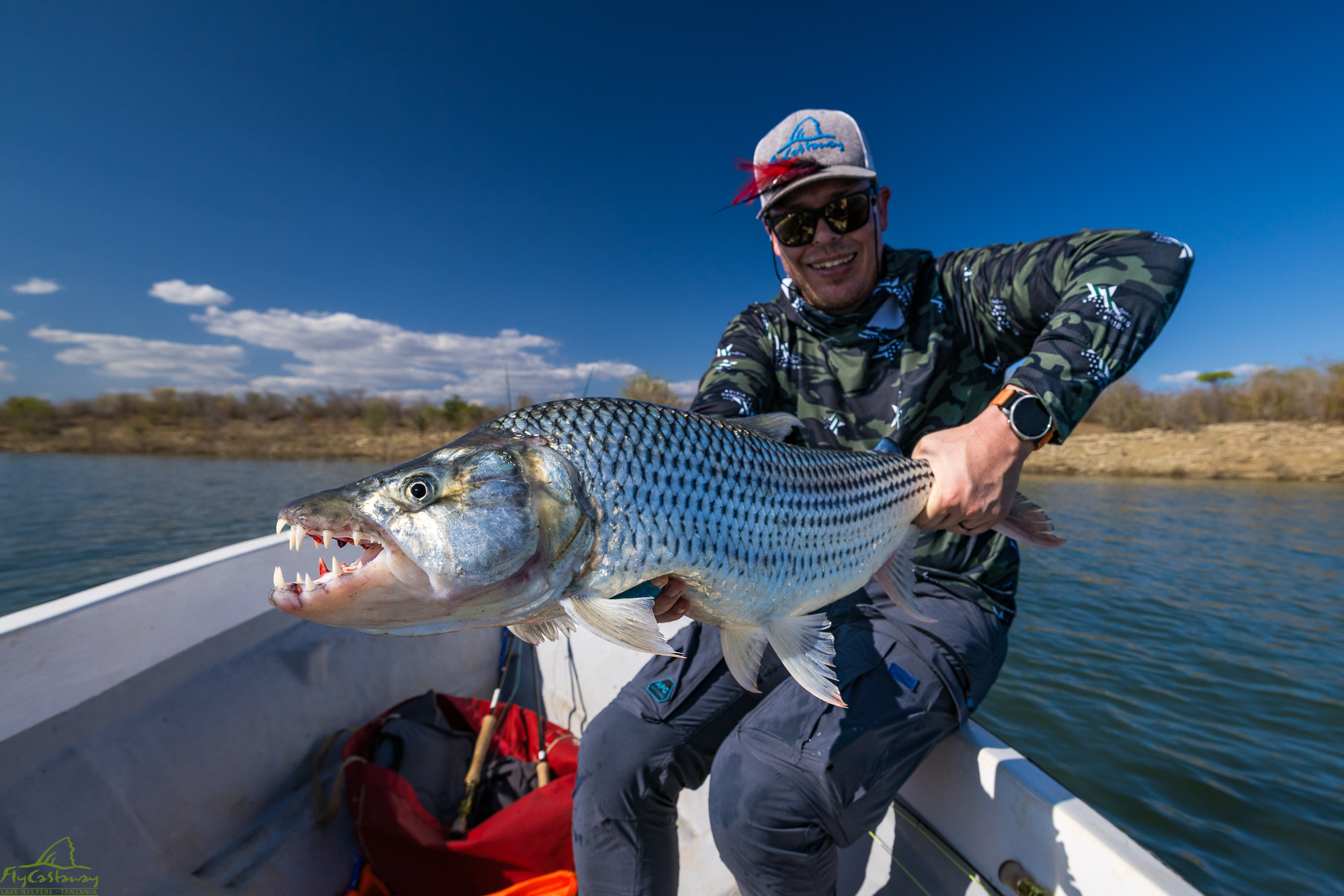
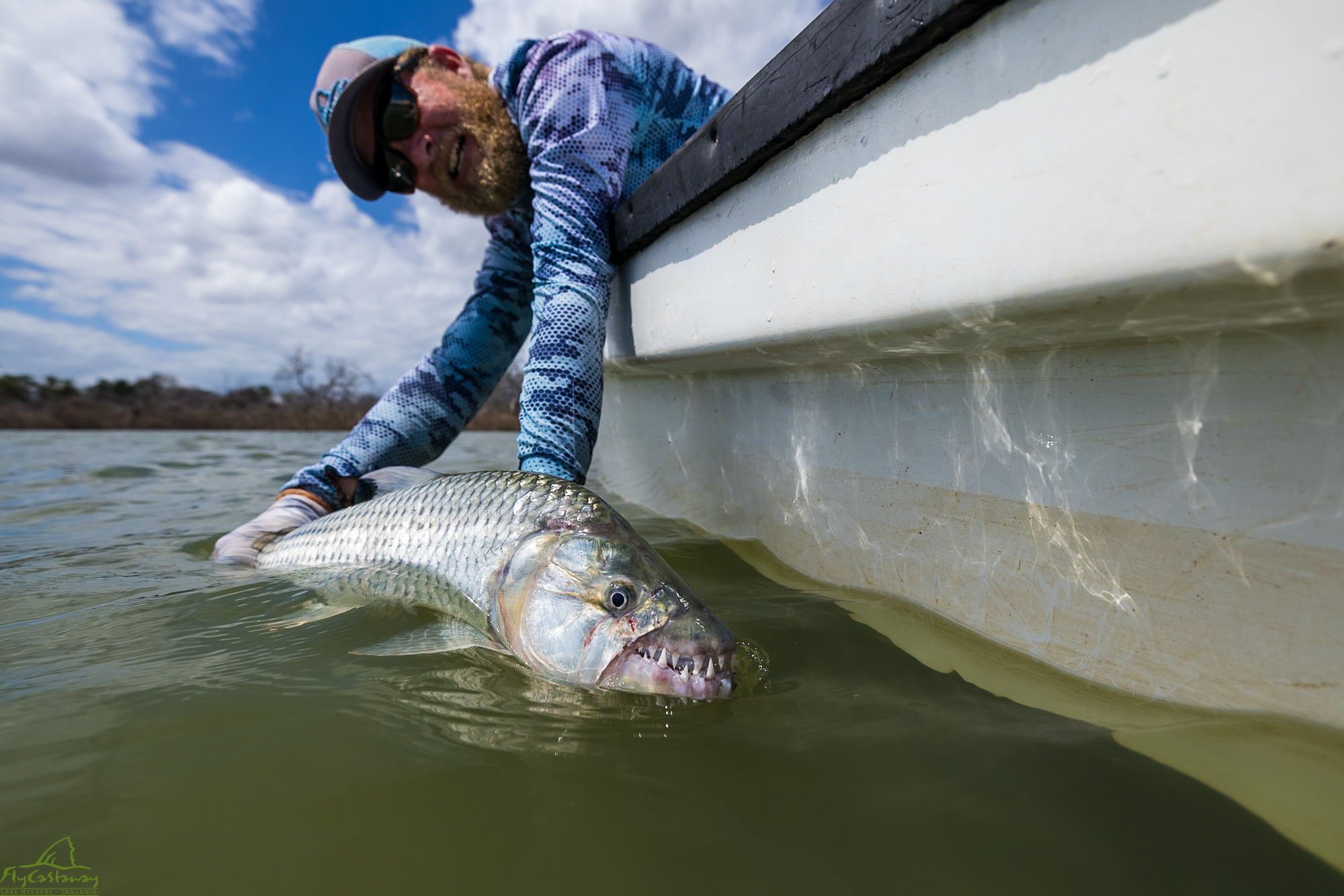
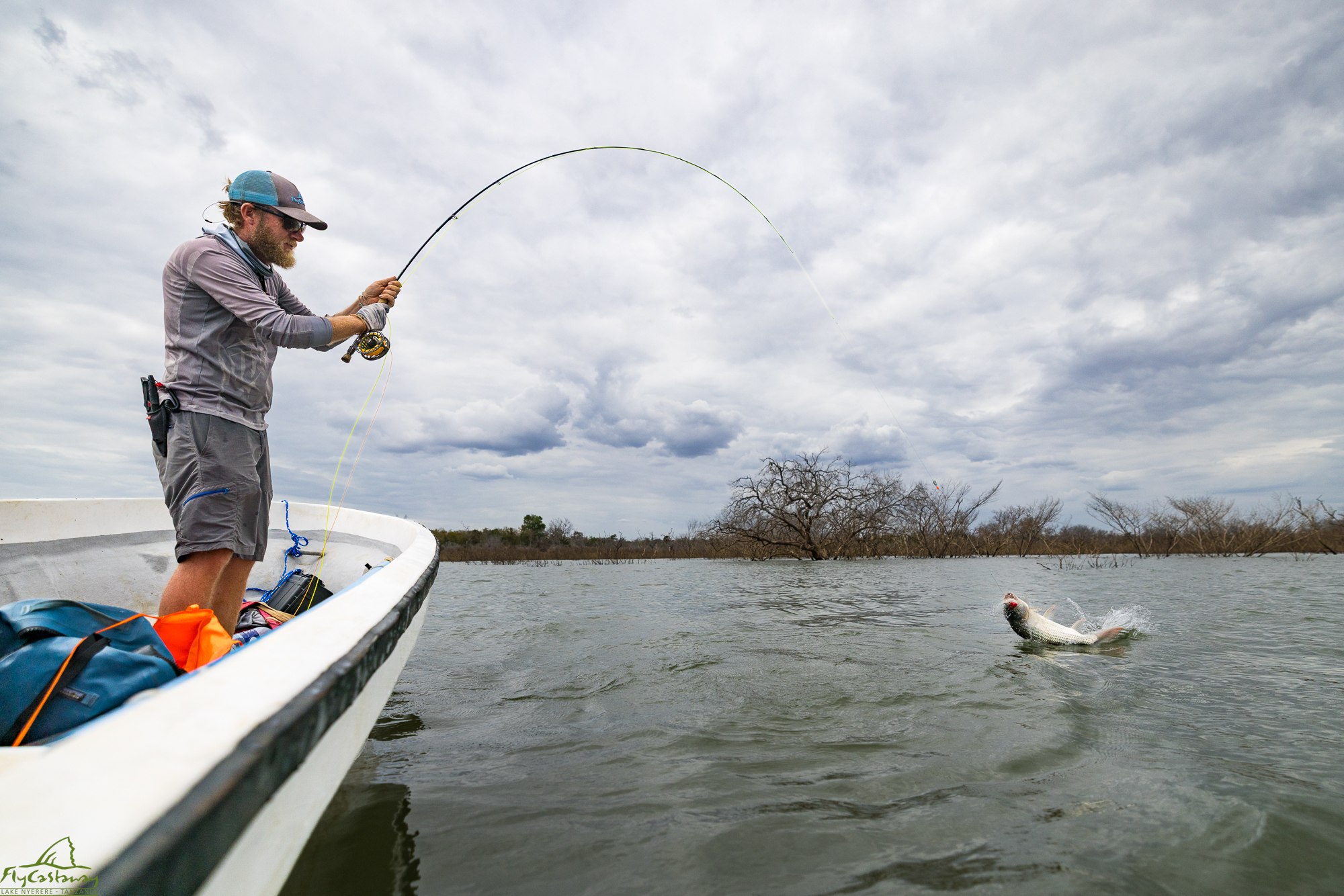
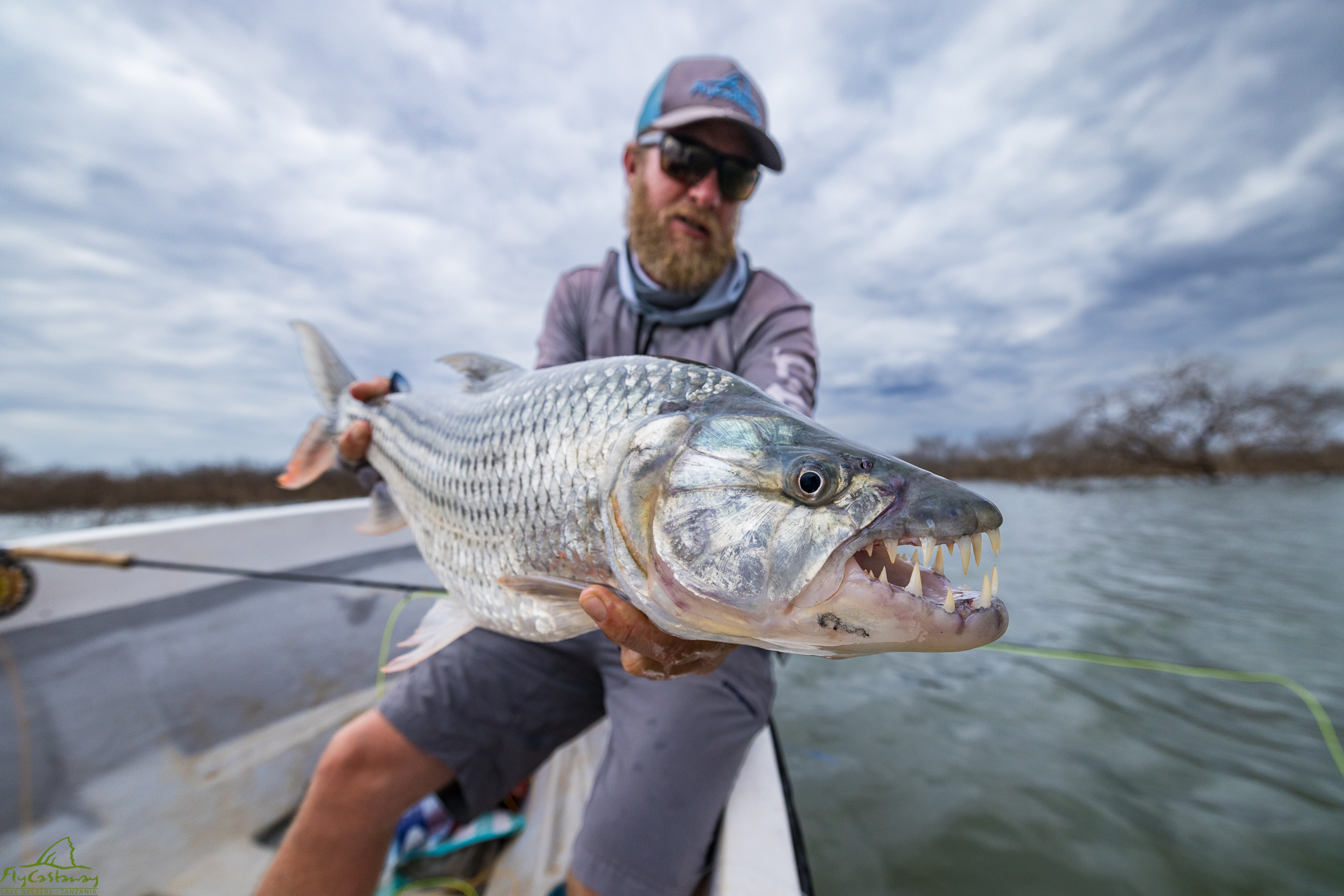
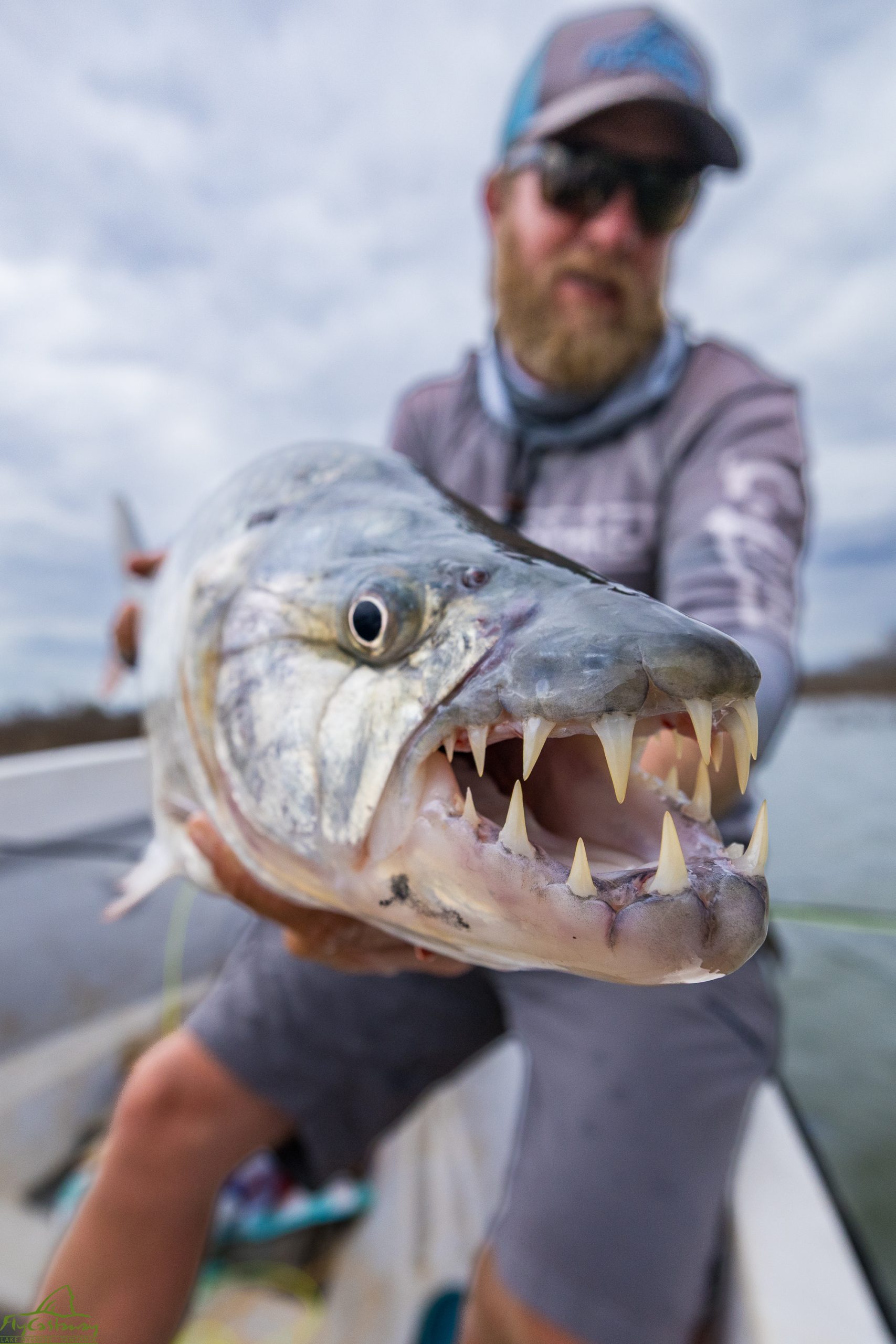
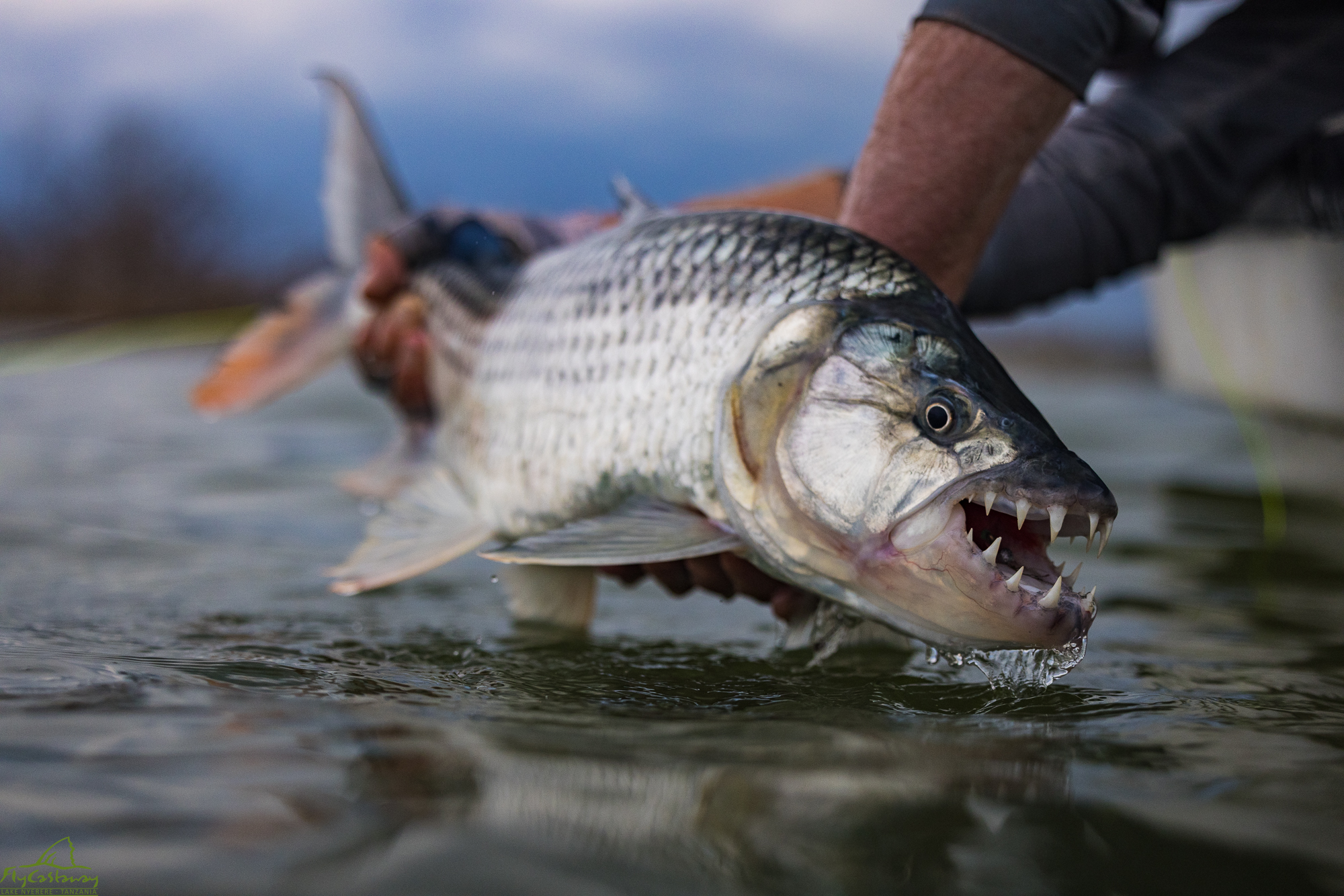
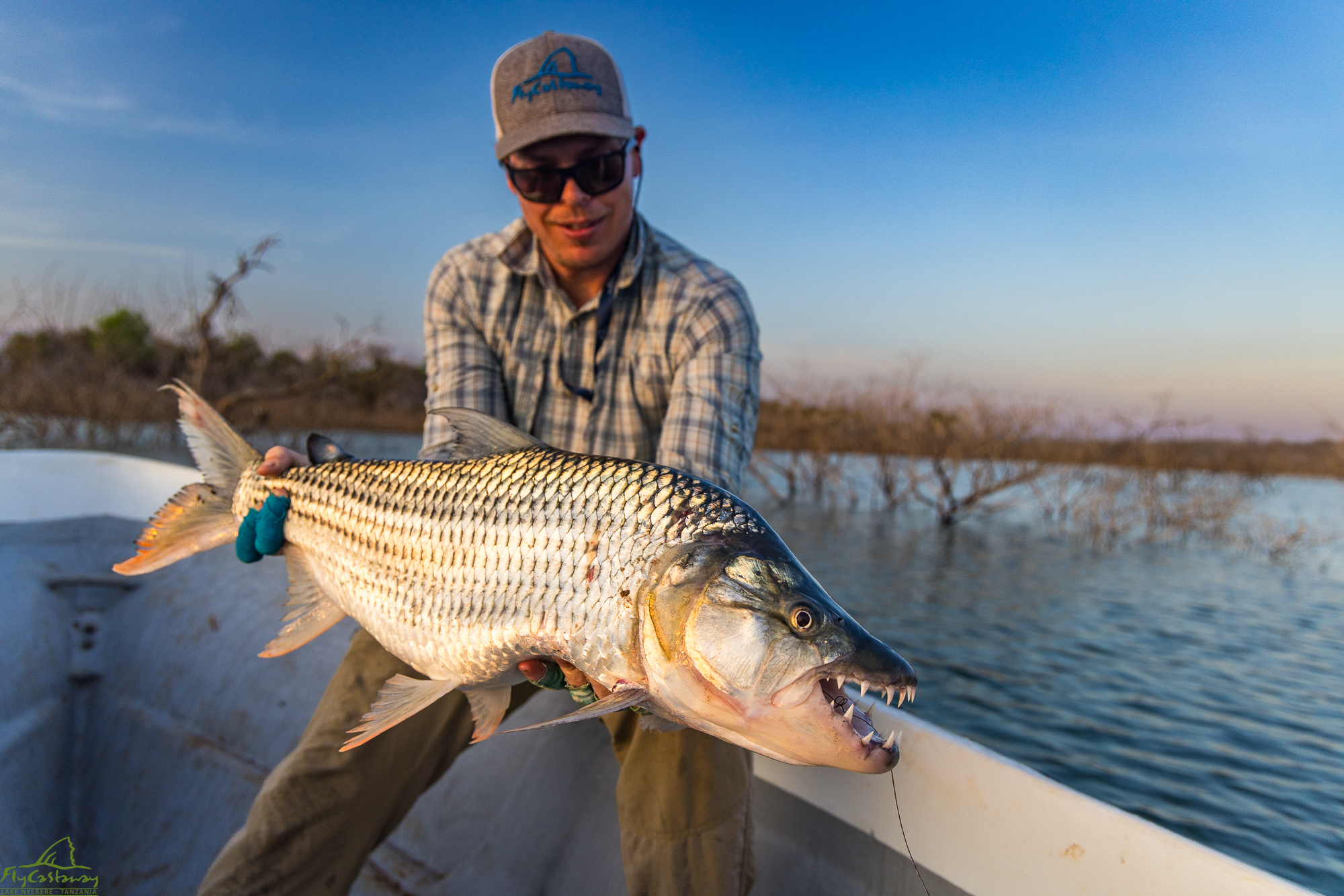
Over seven full days on the water, each of us landed between 6 and 15 tigerfish a day. That is with three anglers sharing one boat, so for most of the day only two of us were fishing while the third was behind a camera. Roughly 60% of the fish we encountered were in double figures. The best fish to make it to the boat was a beautiful tiger of about 16 lb for Nic, and the ones that got away were bigger still. We lost more than ten fish that we would comfortably put in the 20 lb class, three of them in a single spot on one unforgettable afternoon.
What struck us most was how consistent it was. In July the action came in bursts, with quiet spells in between. This time it was close to continuous from first light to last. The only day the fish went quiet was when a front pushed through with a sharp drop in pressure and a cold wind. Every other day we rated 4 out of 5, and any session with stable weather in the right water would have been an easy 5.
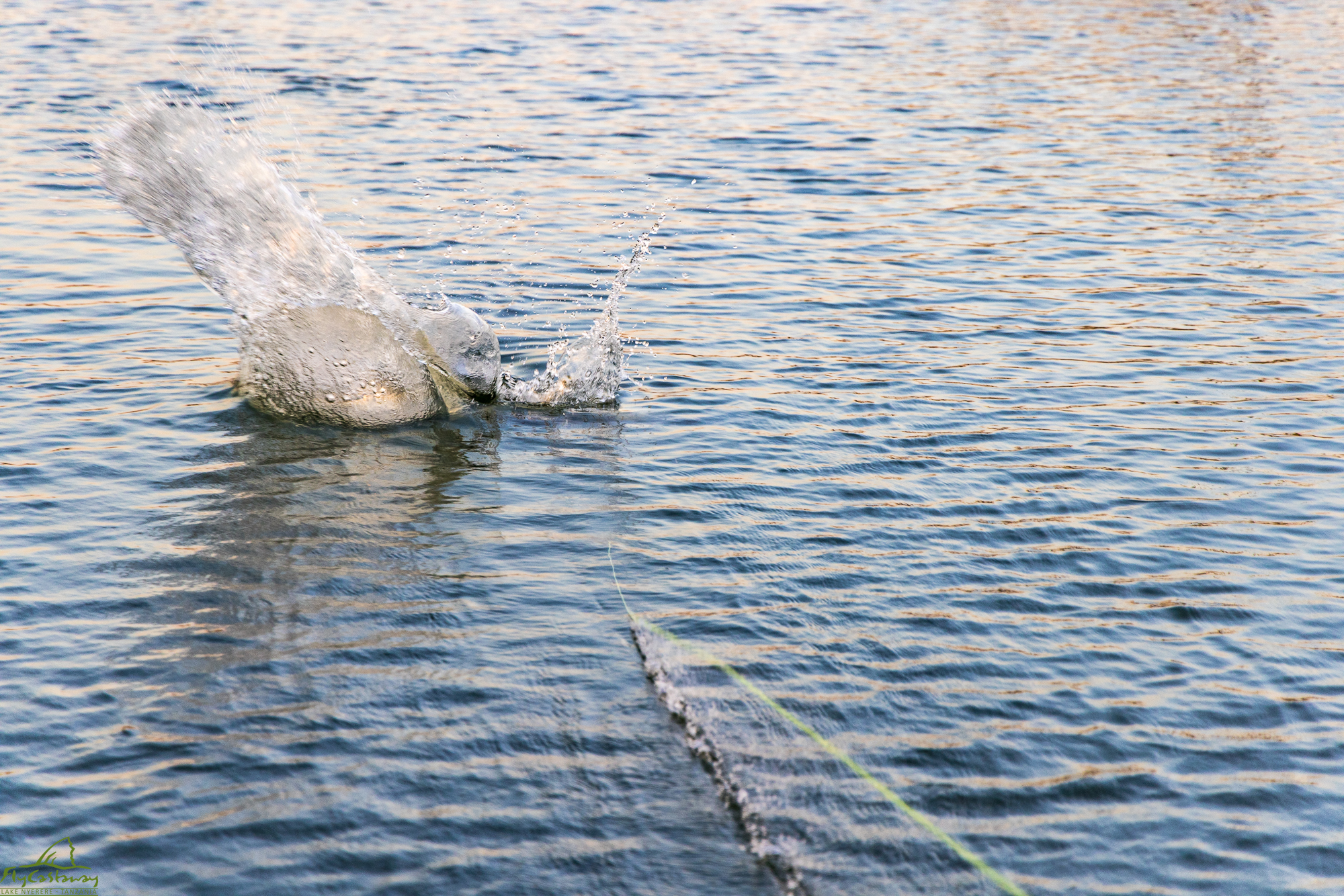
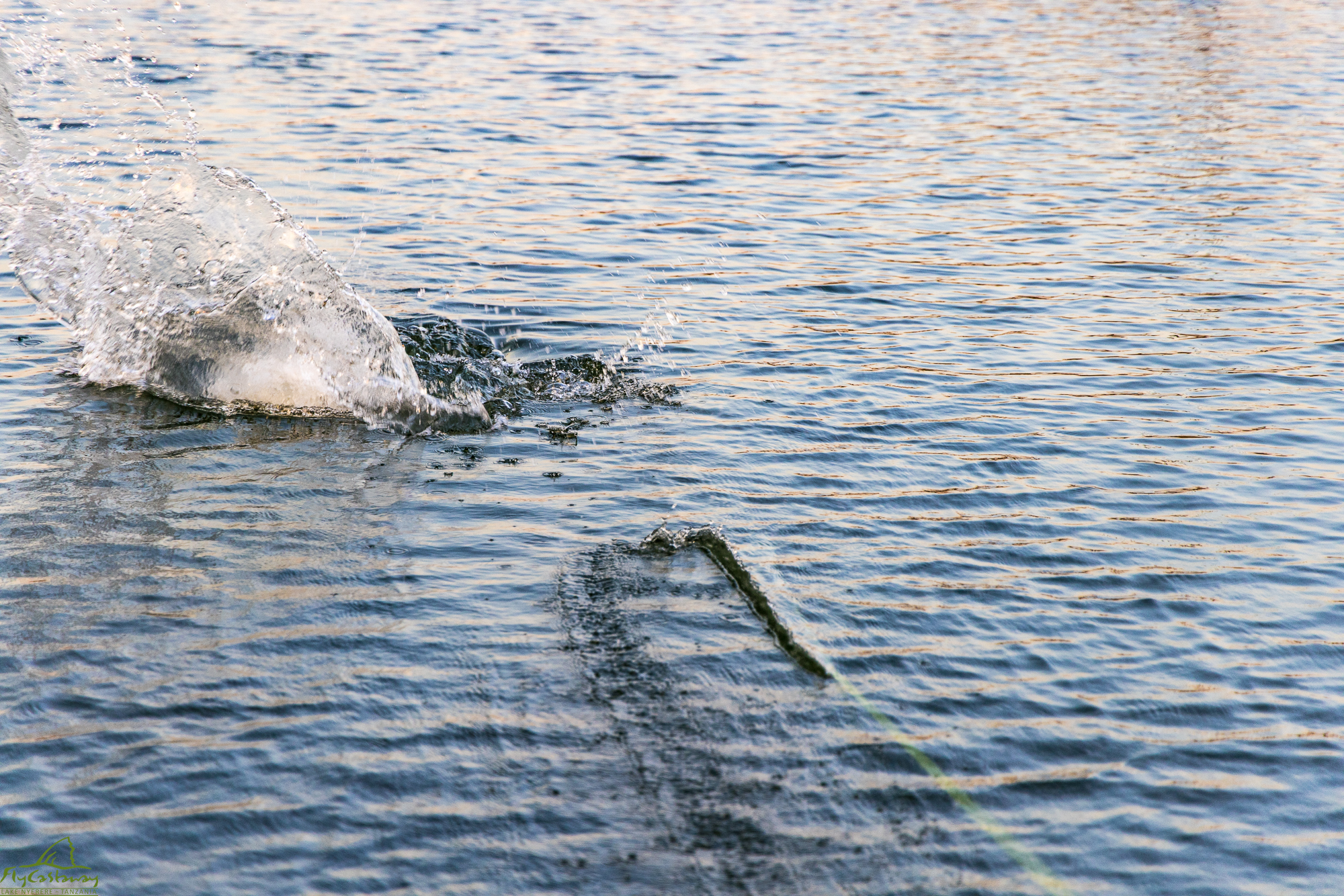
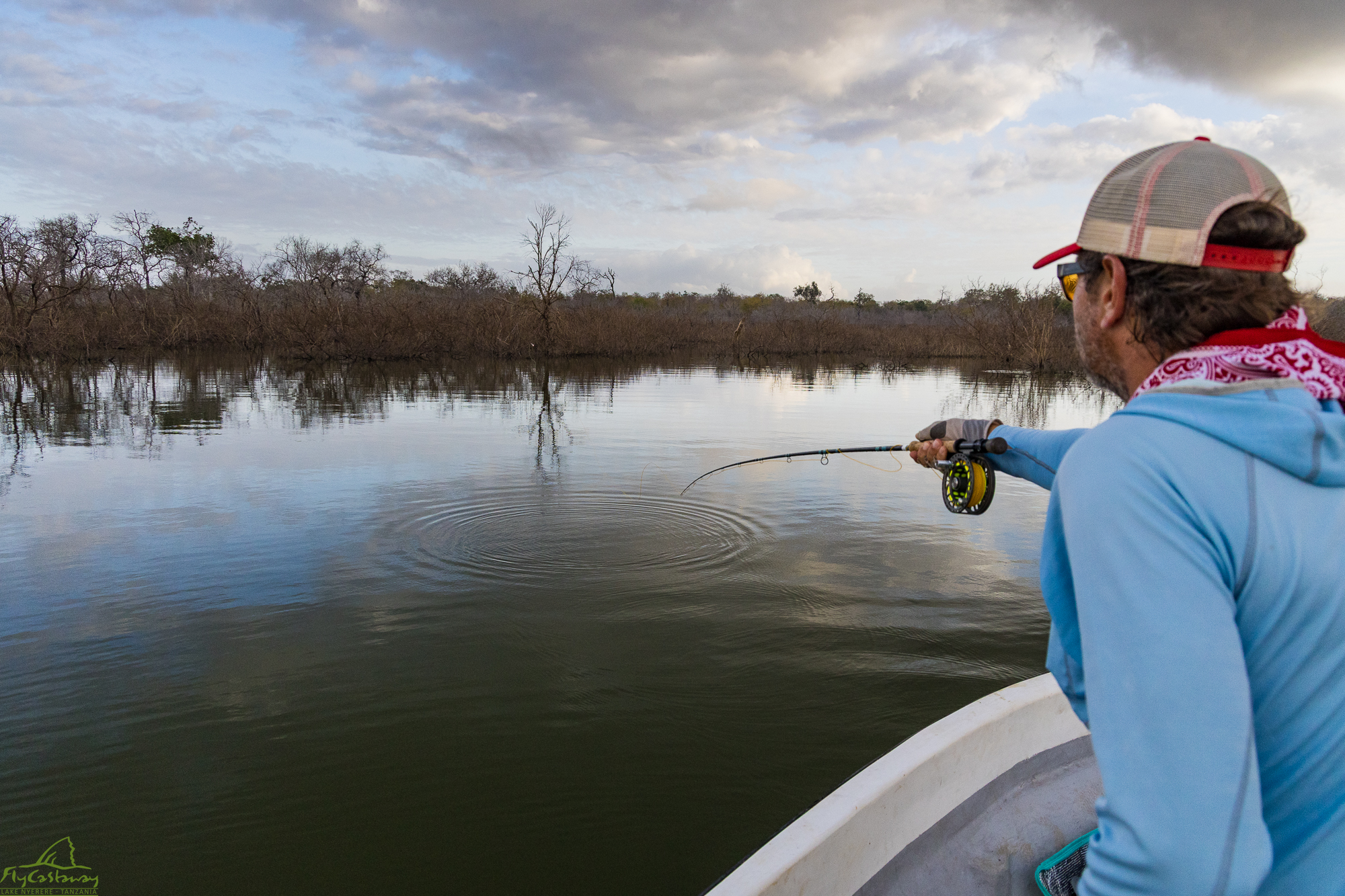
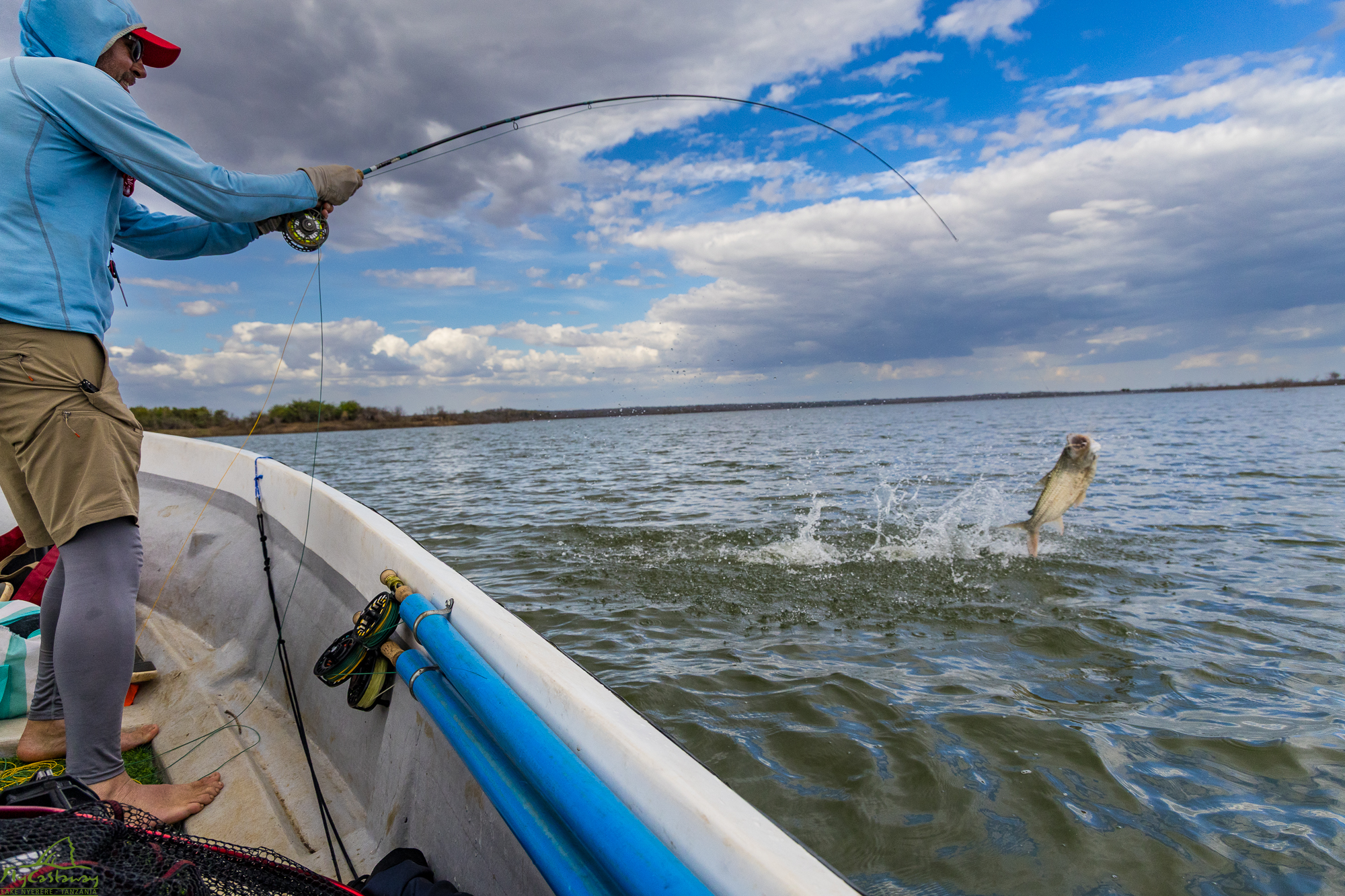
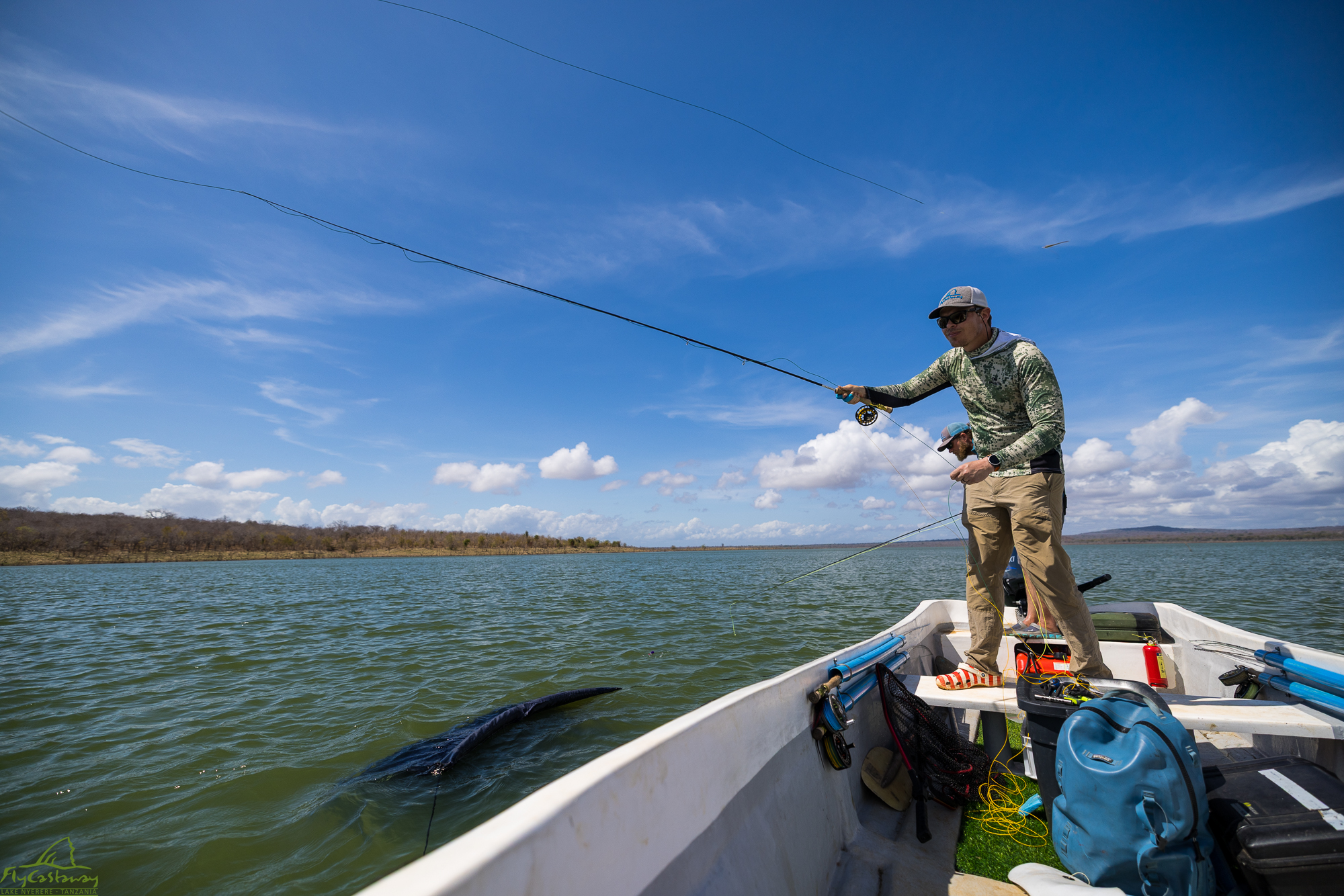
And then there was the surface fishing. About 90% of our fish were caught on surface flies, and on top they out-fished sub-surface flies by roughly ten strikes to one. If you have ever seen a big tigerfish come up and smash a fly off the surface, you will understand why we struggled to put the surface rods down. In the mornings a fish would rise, eat and dive straight back into the structure. In the afternoons it turned into pure chaos, with several fish chasing the same fly at once and others milling around the boat waiting for their turn.
The tigers were not the only ones paying attention. We sight-fished three vundu, the giant catfish of these waters, all between 4 and 5 ft long. All three won the fight, but watching a fish that size inhale a fly in the shallows is something none of us will forget.
A Truly Wild Fishery
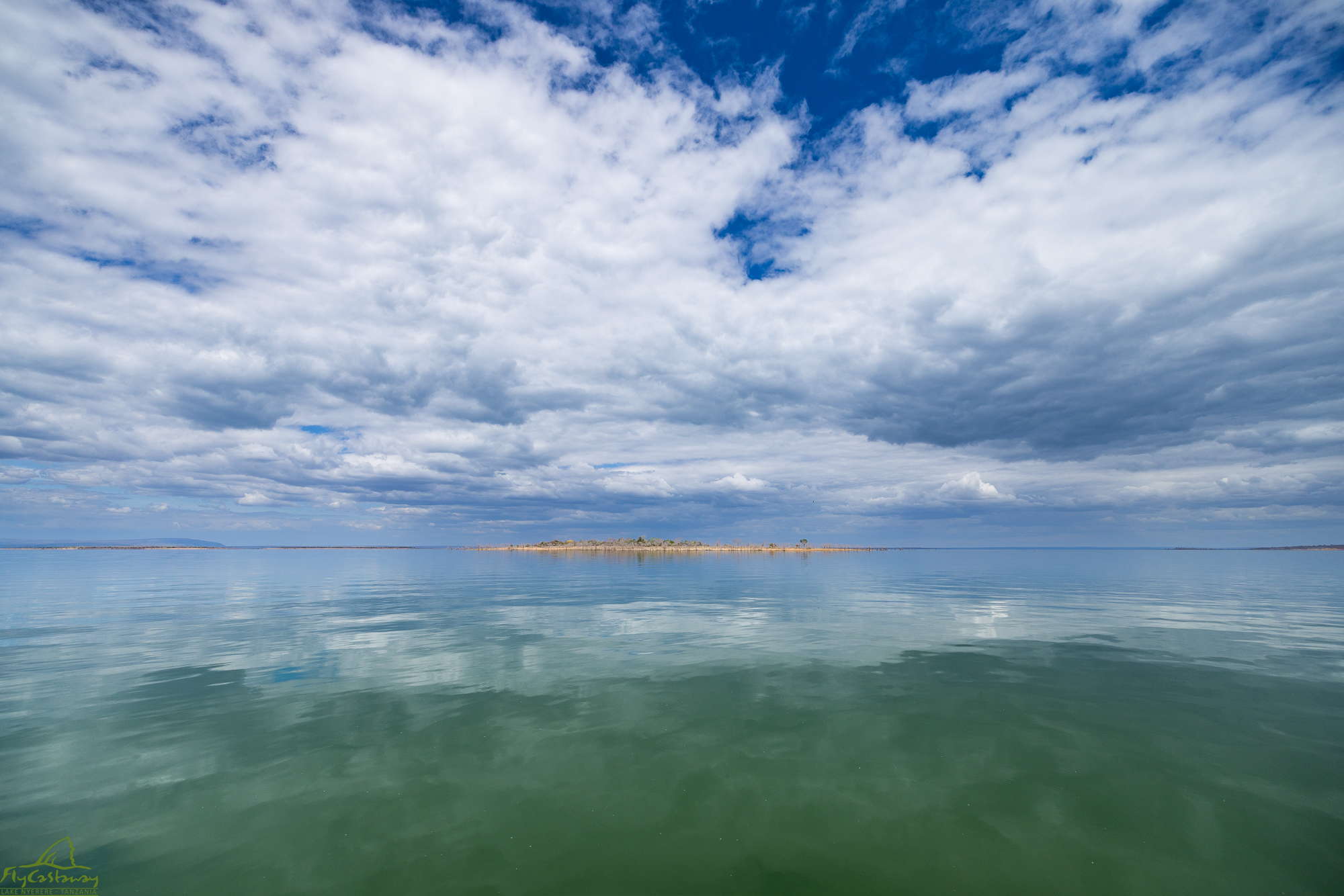
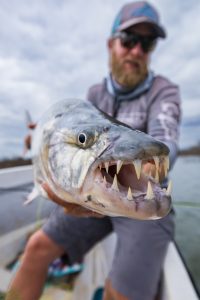 Lake Nyerere only started filling a few years ago, and it is hard to describe how rare that makes it. It has been 25 years since I have seen fish this naive. These tigers have simply never seen a fly, and they behave like it.
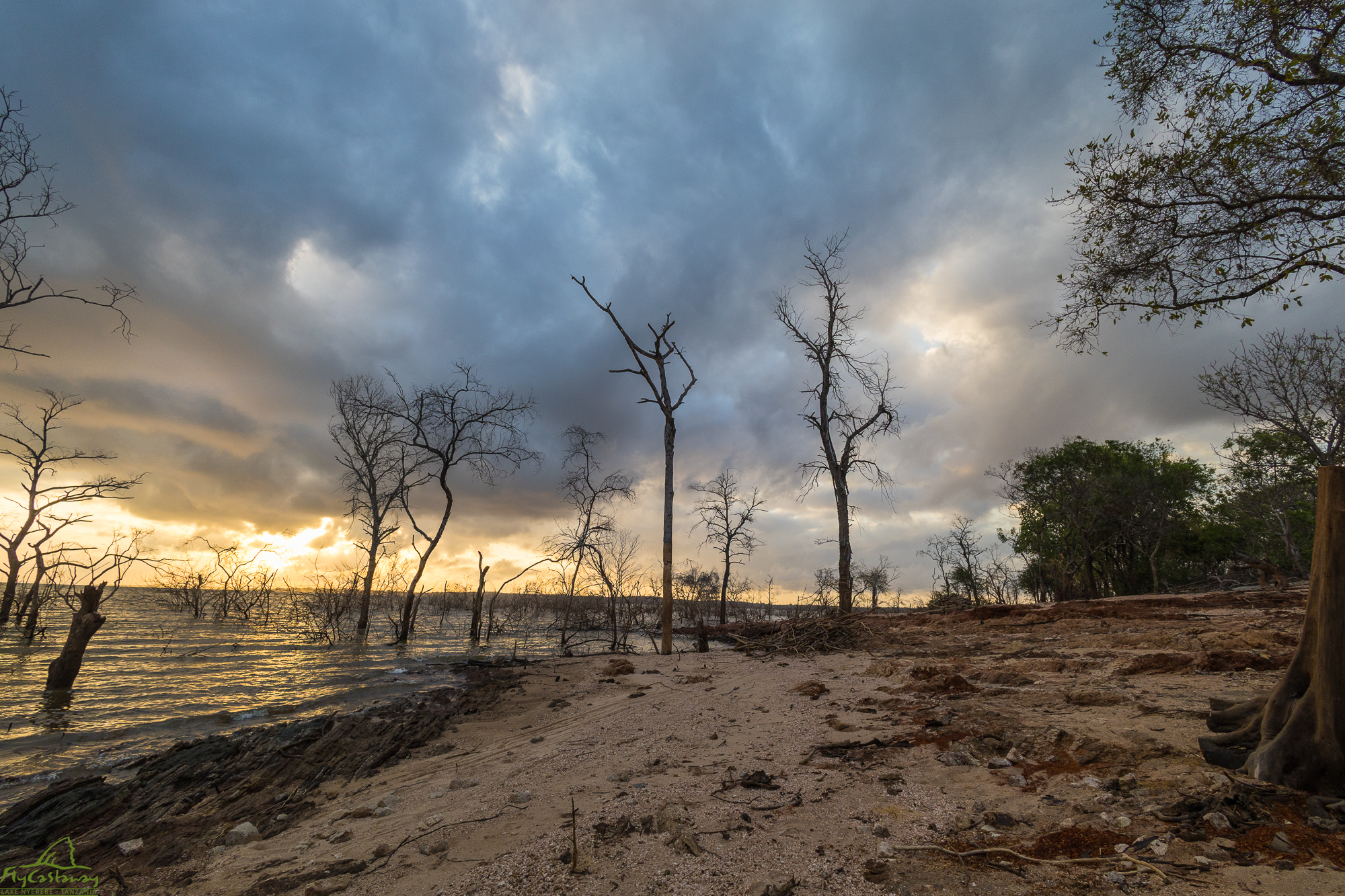
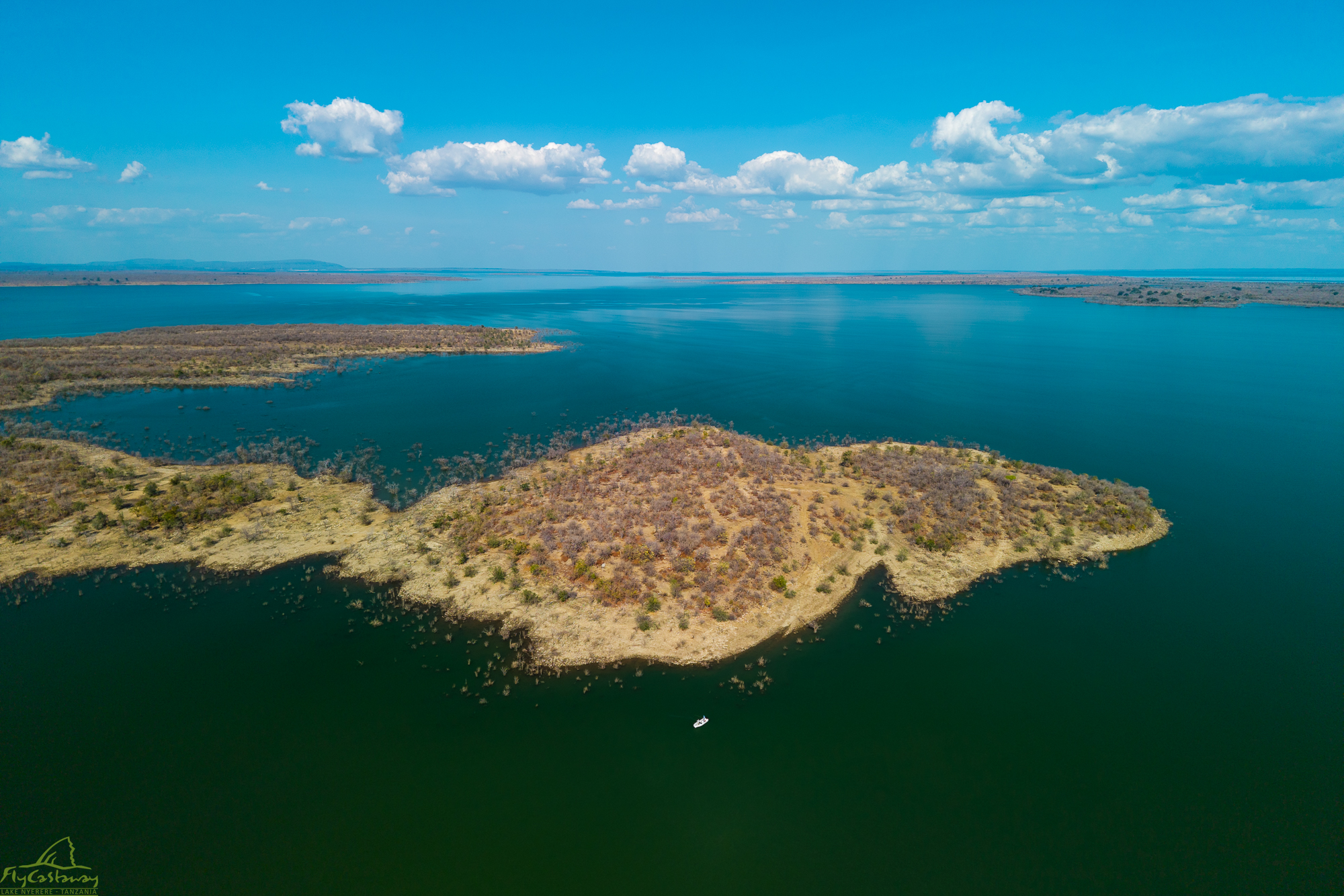
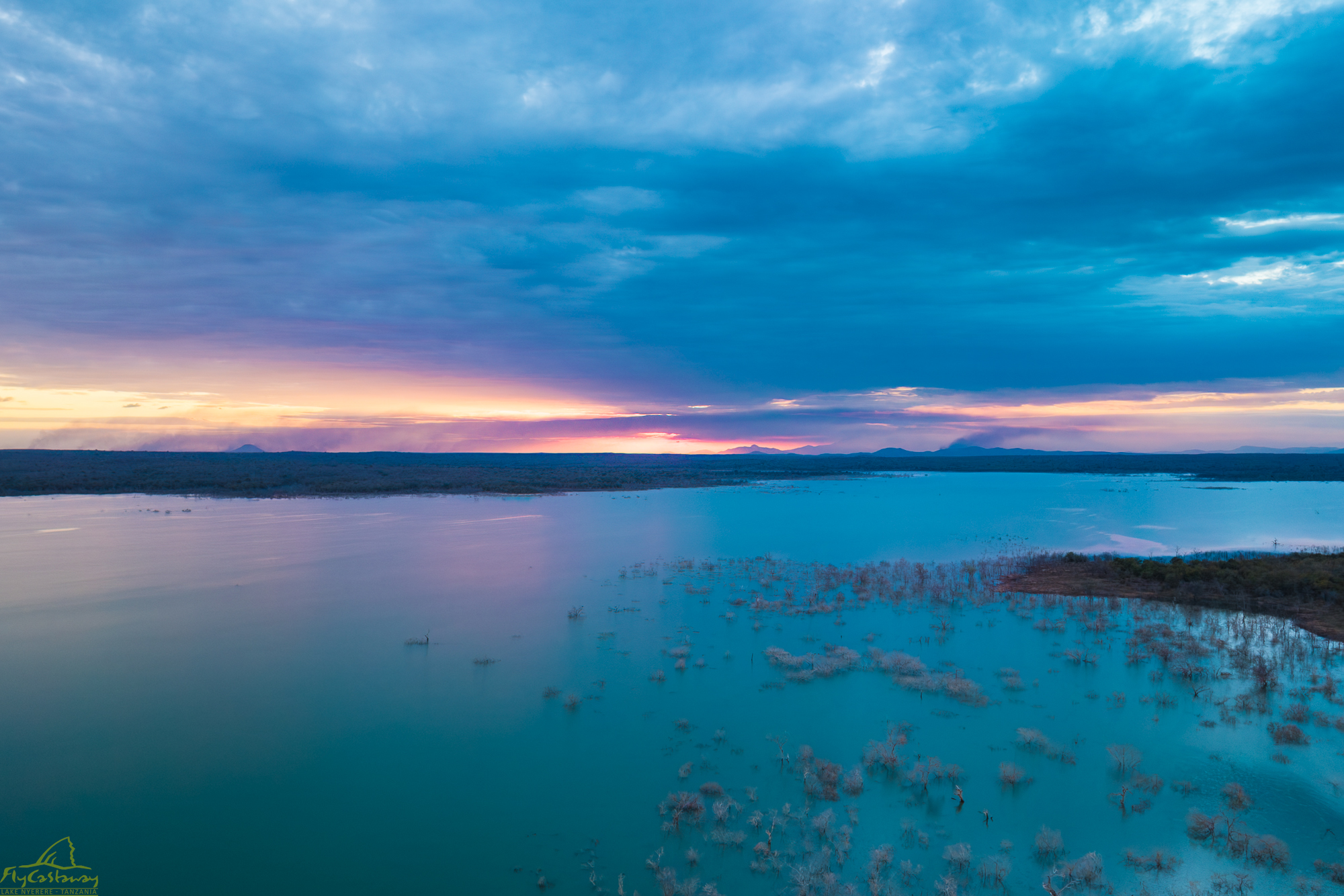
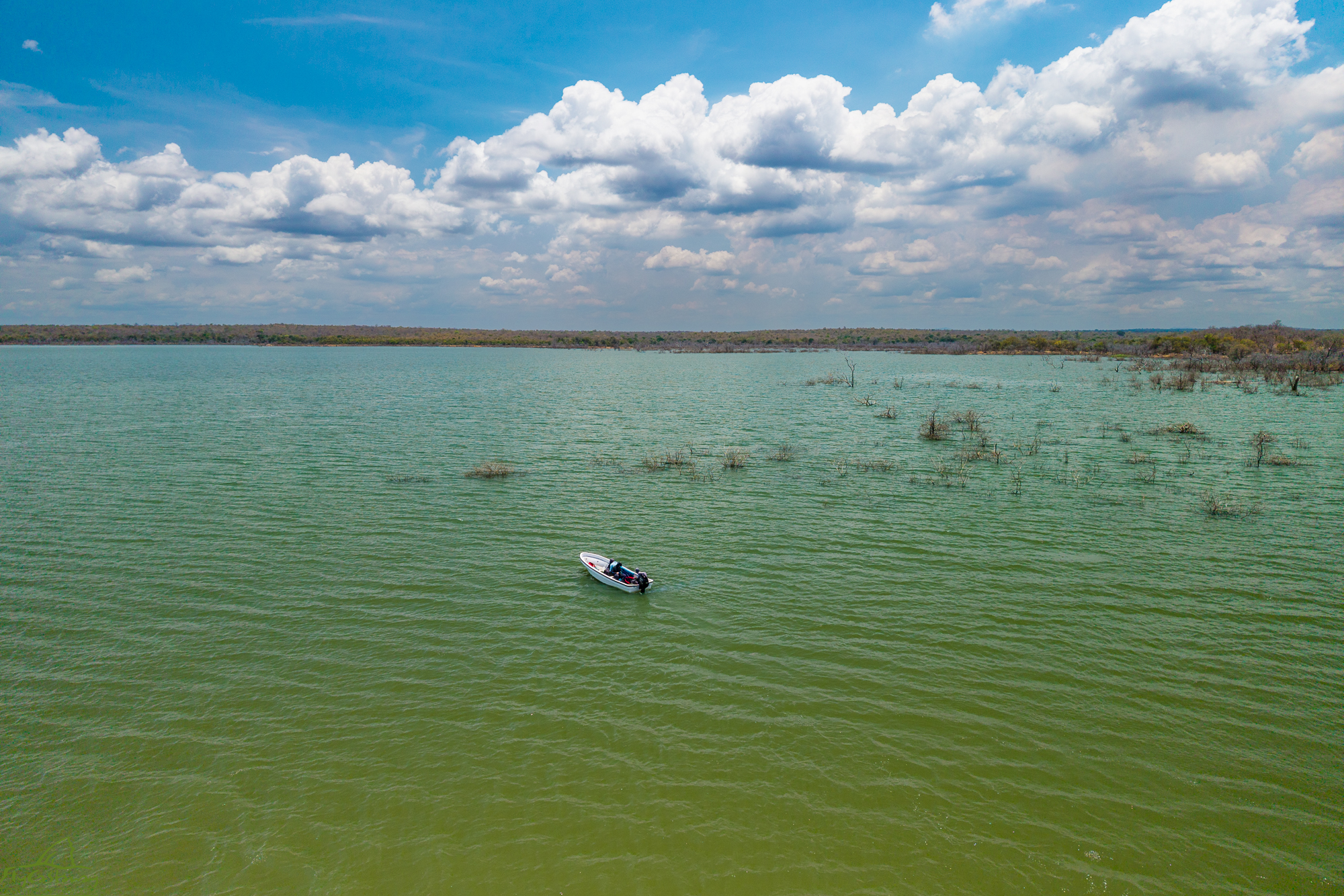
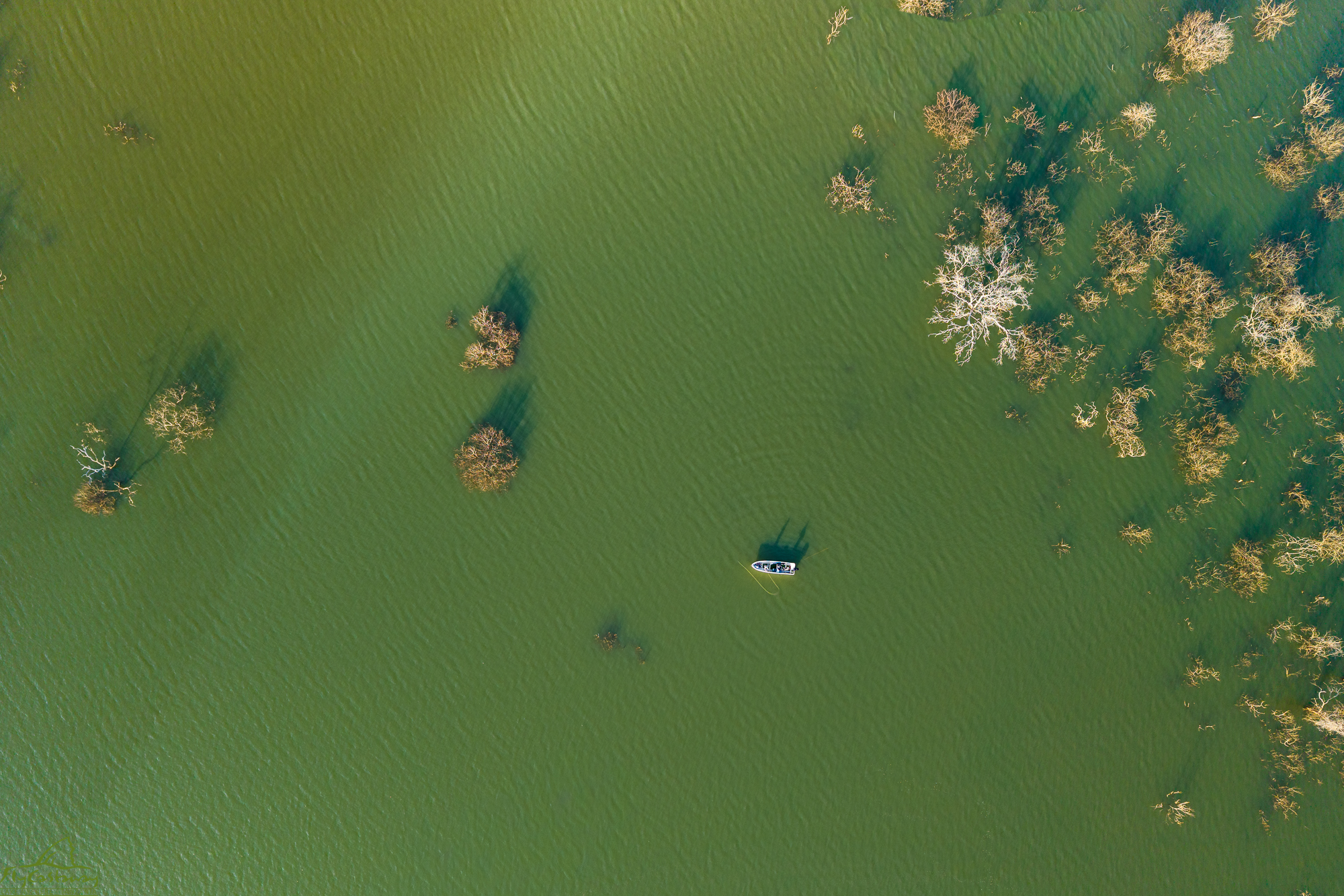
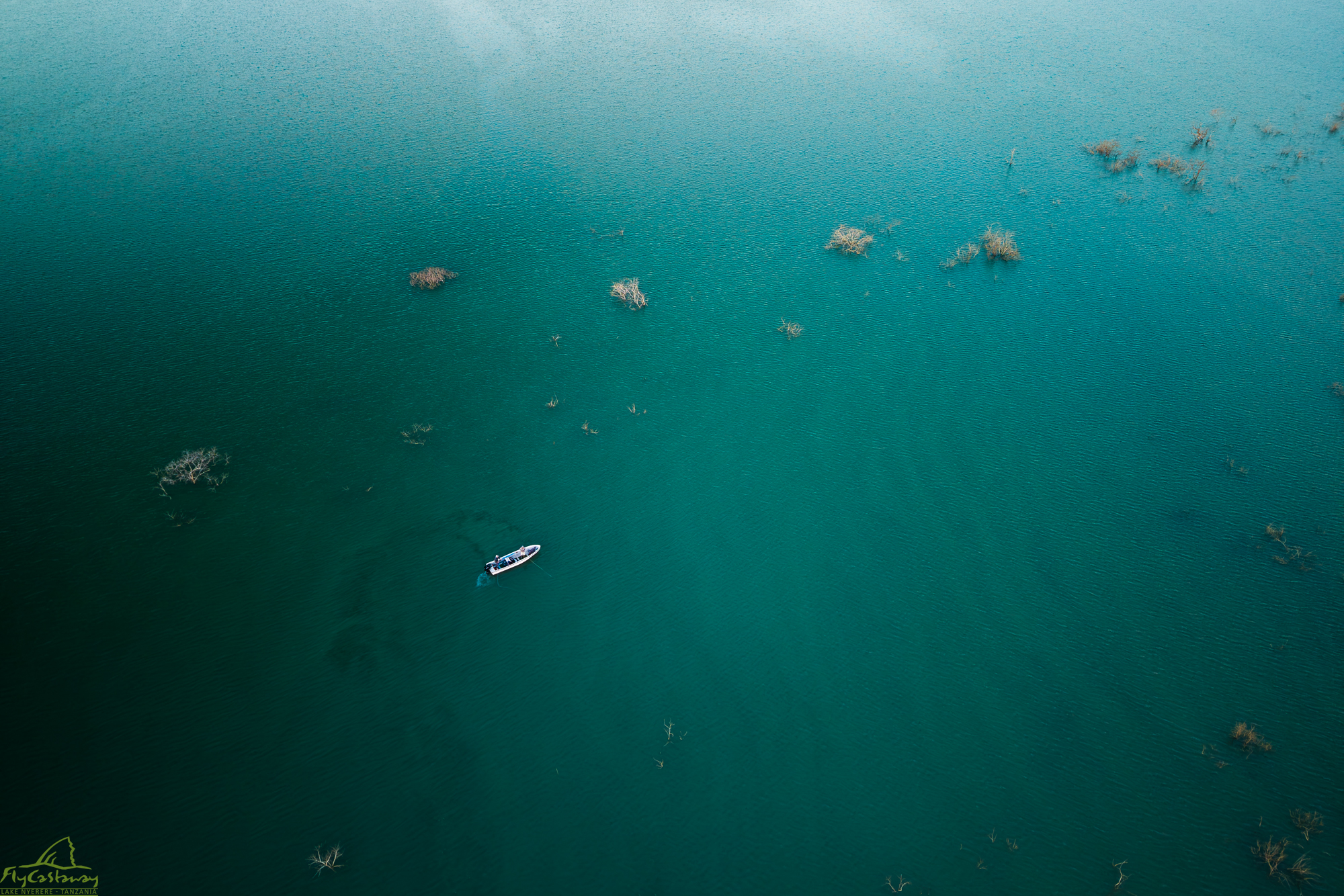
The lake had dropped 2.5 to 3 m since July. Flooded trees that were underwater in winter now stand clear of the surface, boulders have appeared where there was open water, and whole new areas have opened up to fish. Some of our July spots were left high and dry, while new ones came alive. It was a good reminder that this is a living, changing fishery, and that part of the fun is learning how it shifts through the season.
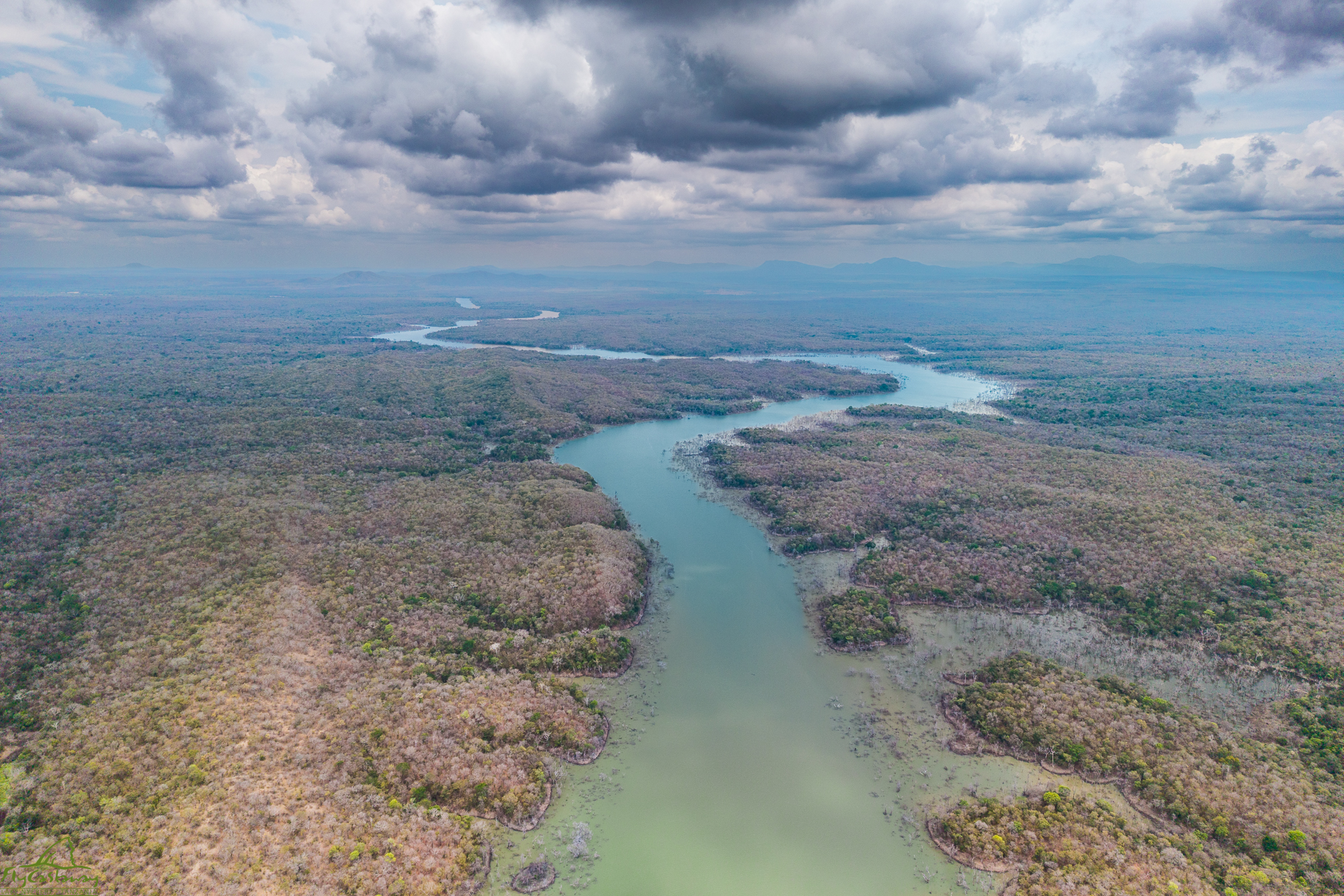
We also made another run up the Great Ruaha River, which feeds the lake right on our doorstep. We pushed about 15 km upriver, and every creek mouth and gorge we tried held fish, some of them big. We still did not reach the point where the river starts flowing into the lake, and everything beyond is waiting to be explored.
Along the way we named a whole new collection of spots. The names will mean a lot more once you have fished them, so we will save the stories for the boat. What matters is this: after two trips in two very different seasons, the fishing has held up every time, and we have only scratched the surface of what this lake holds.
Building the Lodge
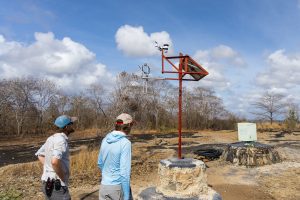 If you have been wondering whether the lodge will be ready for July 2027, the answer is yes. Construction is on track to finish as planned, and seeing the site this time was a highlight of the trip.
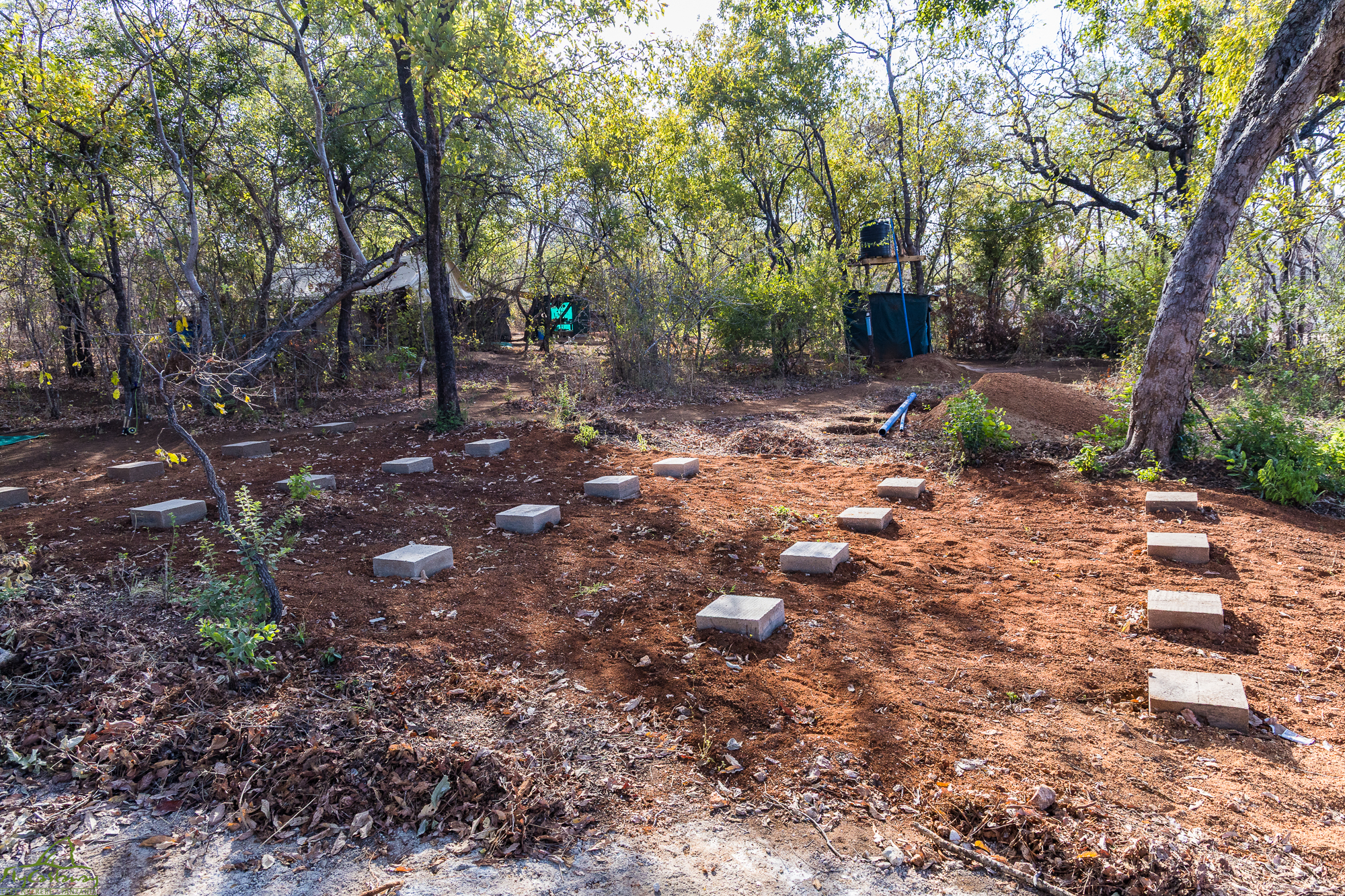
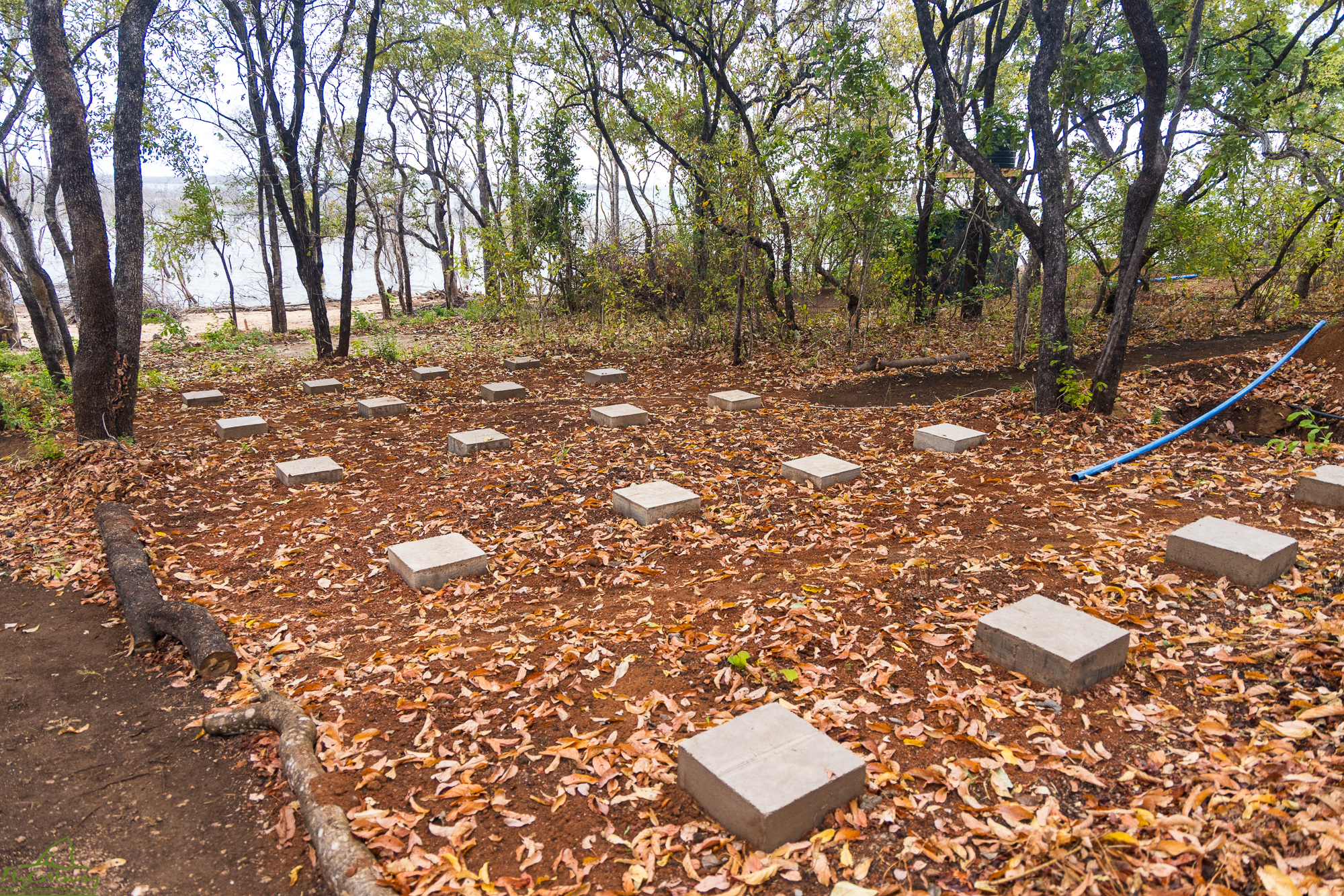
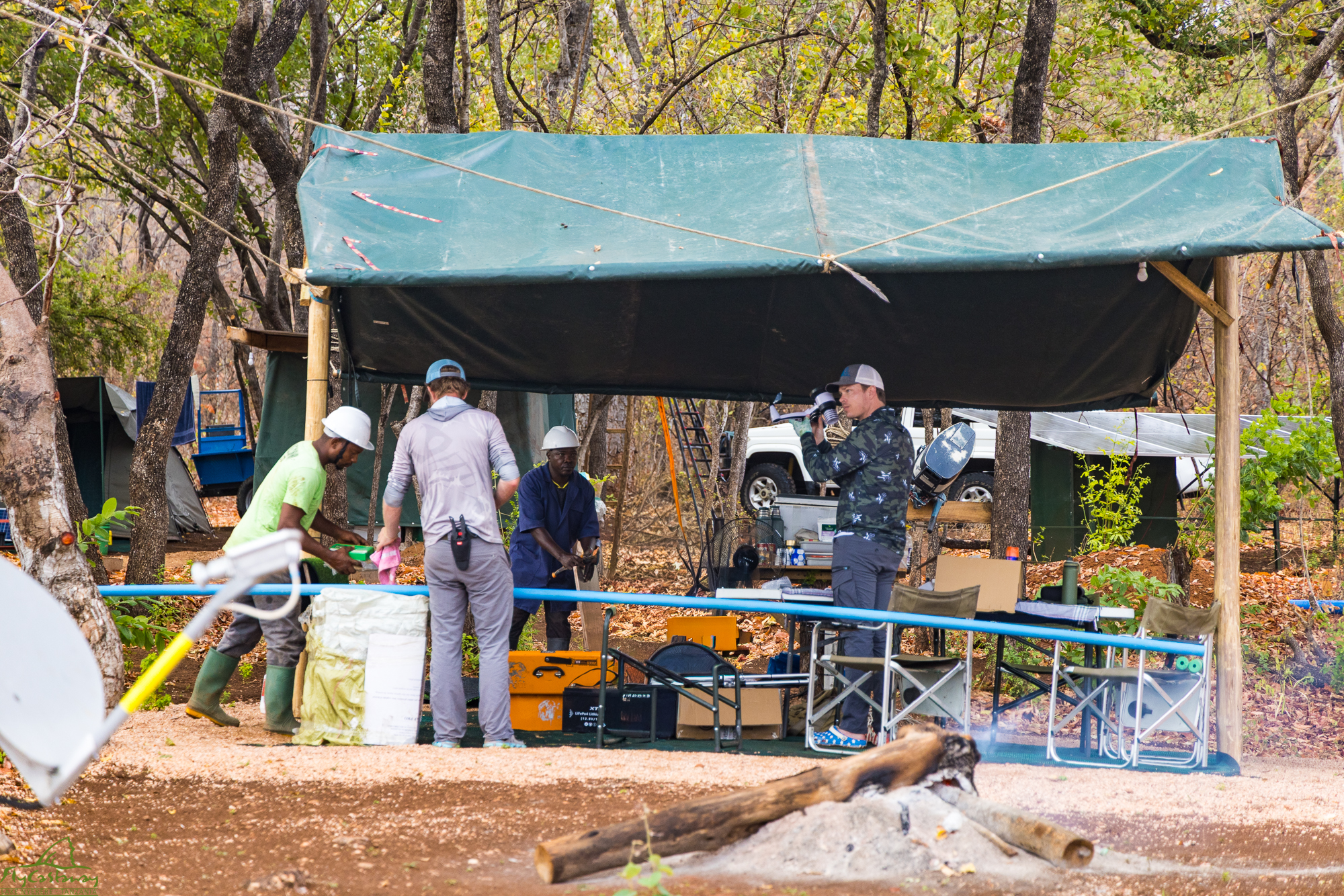
On our last full day, the construction team walked us around the site. In July we were still living in a builders’ camp. Today the lodge is taking shape:
Foundations are laid for every building: all eleven units, the main lodge area, the mudroom, guide accommodation, the manager’s house, staff quarters, canteen, workshop and laundry.
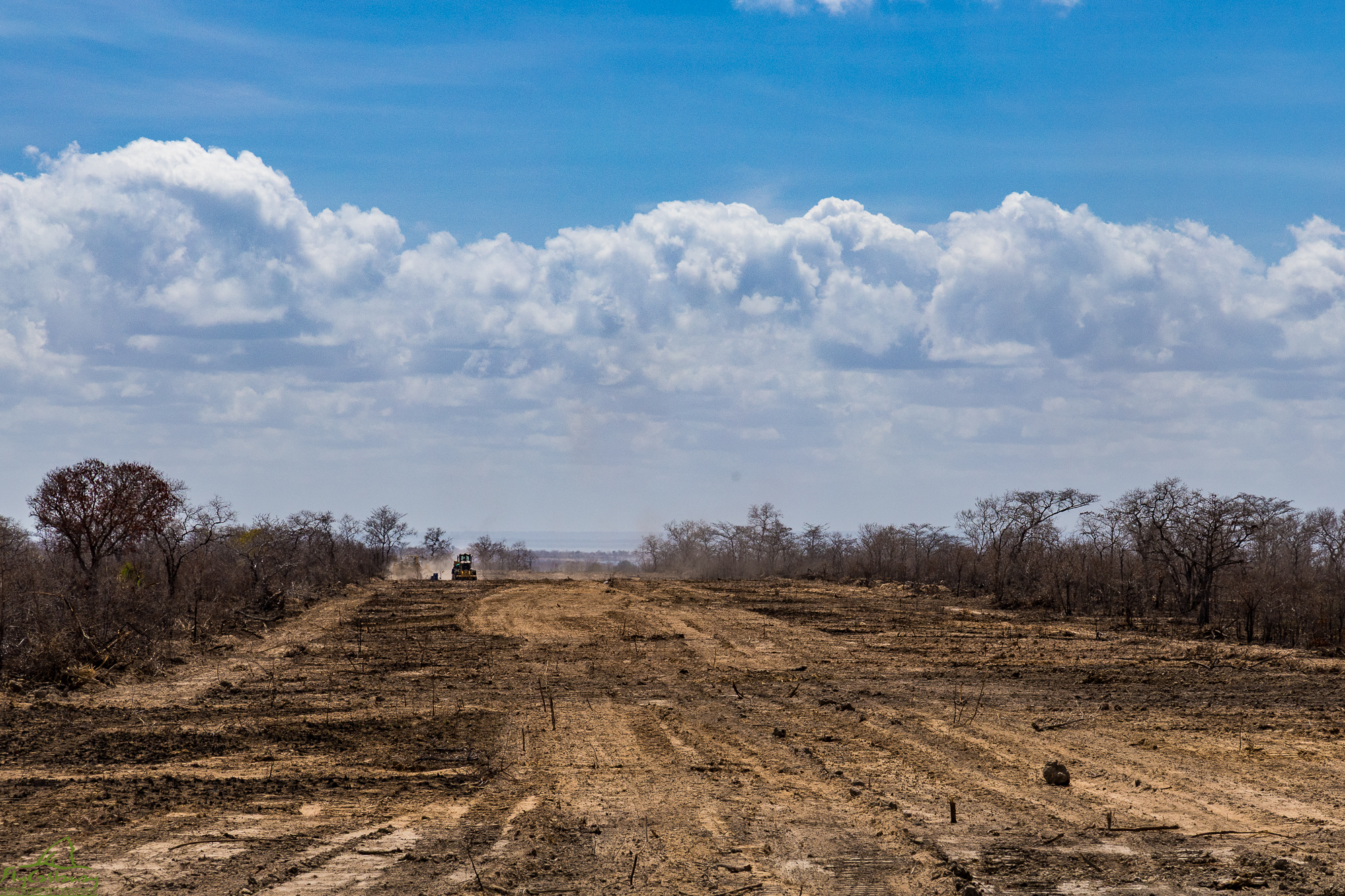
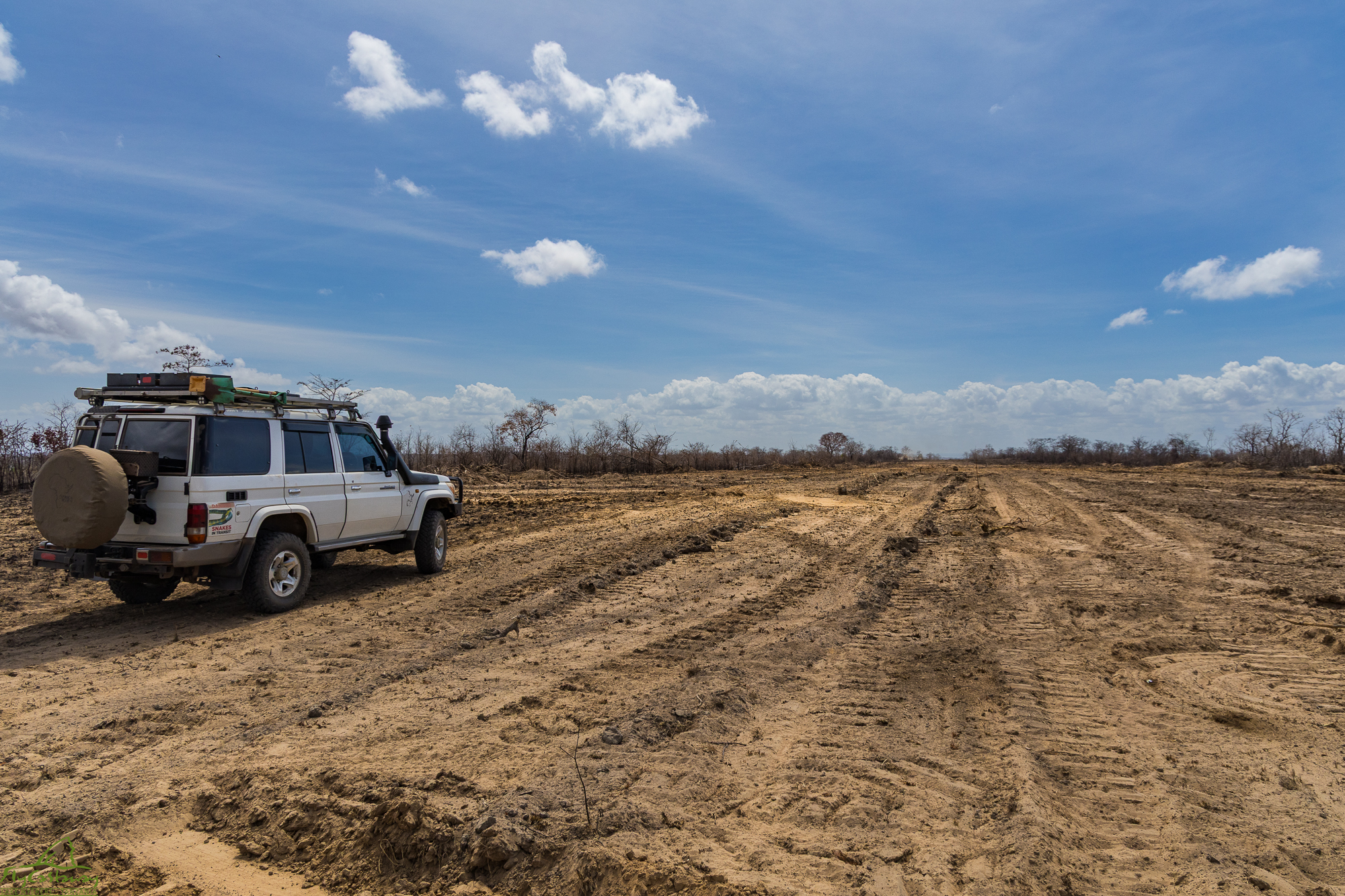
The airstrip we are building is 1,300 m long and 50 m wide and was about two weeks from completion when we left. The road from the airstrip to the lodge is finished, a 25 to 30 minute drive through the park.
Roads from the park’s main road to the lodge, and within the lodge itself, are finished and graded, and the park’s main entrance gate has been cleared.
Services are going in: septic and shower run-off tanks are installed at every unit, water tanks are in place on the hilltop, and the foundations for the solar farm are cast.
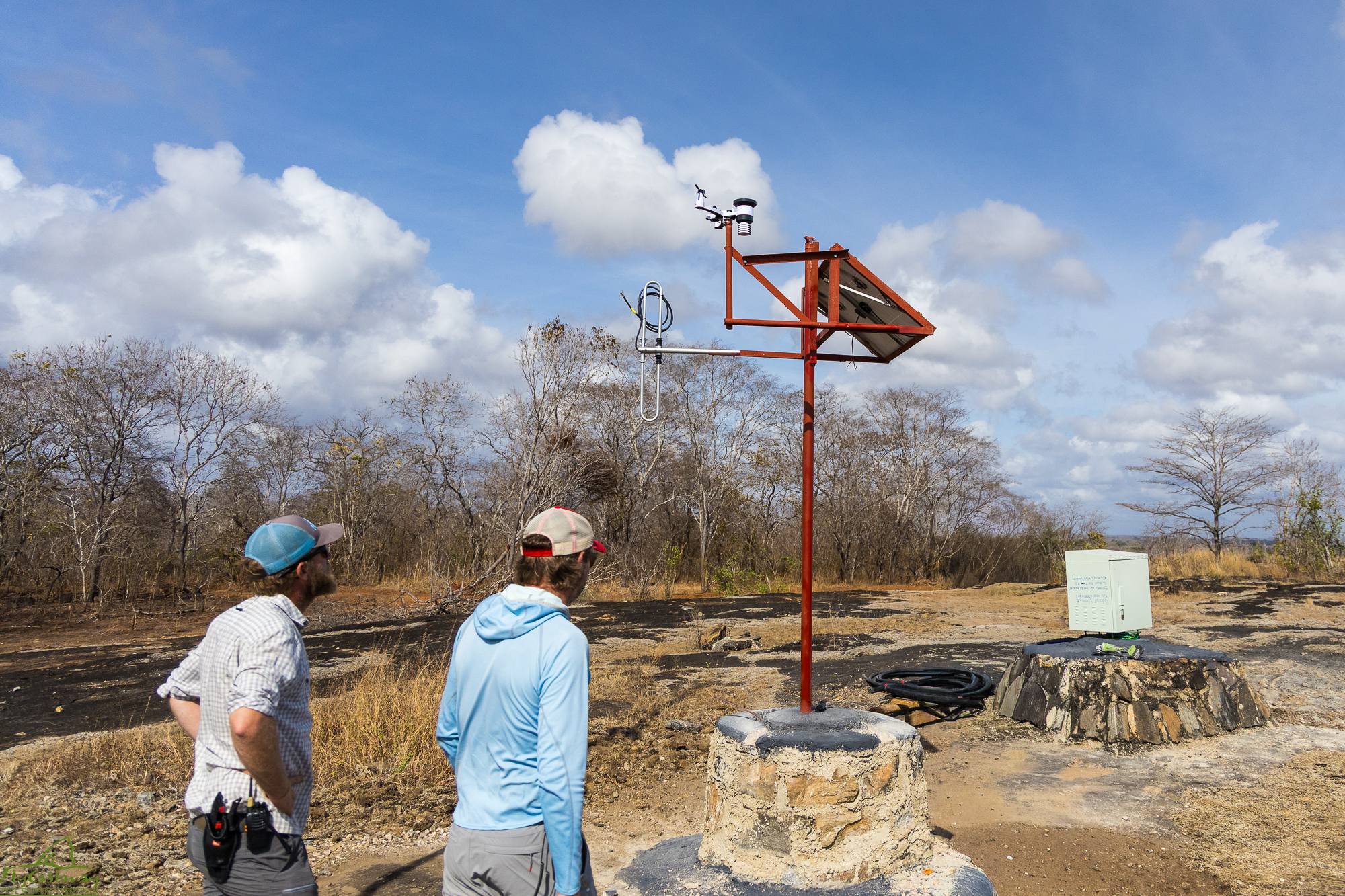
Communications and safety: a solar-powered radio tower, lightning conductor and weather station are up, giving VHF radio coverage across the whole lake and live weather data updated every 60 seconds.
The structures are on their way. The first containers, carrying the wooden decks for the units, were due in Dar es Salaam on 14 October. The staff accommodation and workshop follow within a week, and the tents and jetties within two weeks.
New boats have been ordered and will be outfitted with all the equipment and gear needed to fish this water efficiently and accurately.
None of this happens by accident. Building a lodge of this standard in one of the most remote corners of Africa is a huge undertaking, and the construction team deserves enormous credit. Their hard work and attention to detail are the reason we can say, with confidence, that we are on track.
More Than a Fishing Camp
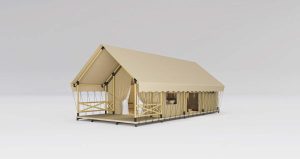 It would be easy to think of a remote tigerfish operation as a fishing camp: a few tents, a boat and a generator. That is not what we are building. Lake Nyerere will be a top-end fishing lodge, and walking the site this time really brought that home.
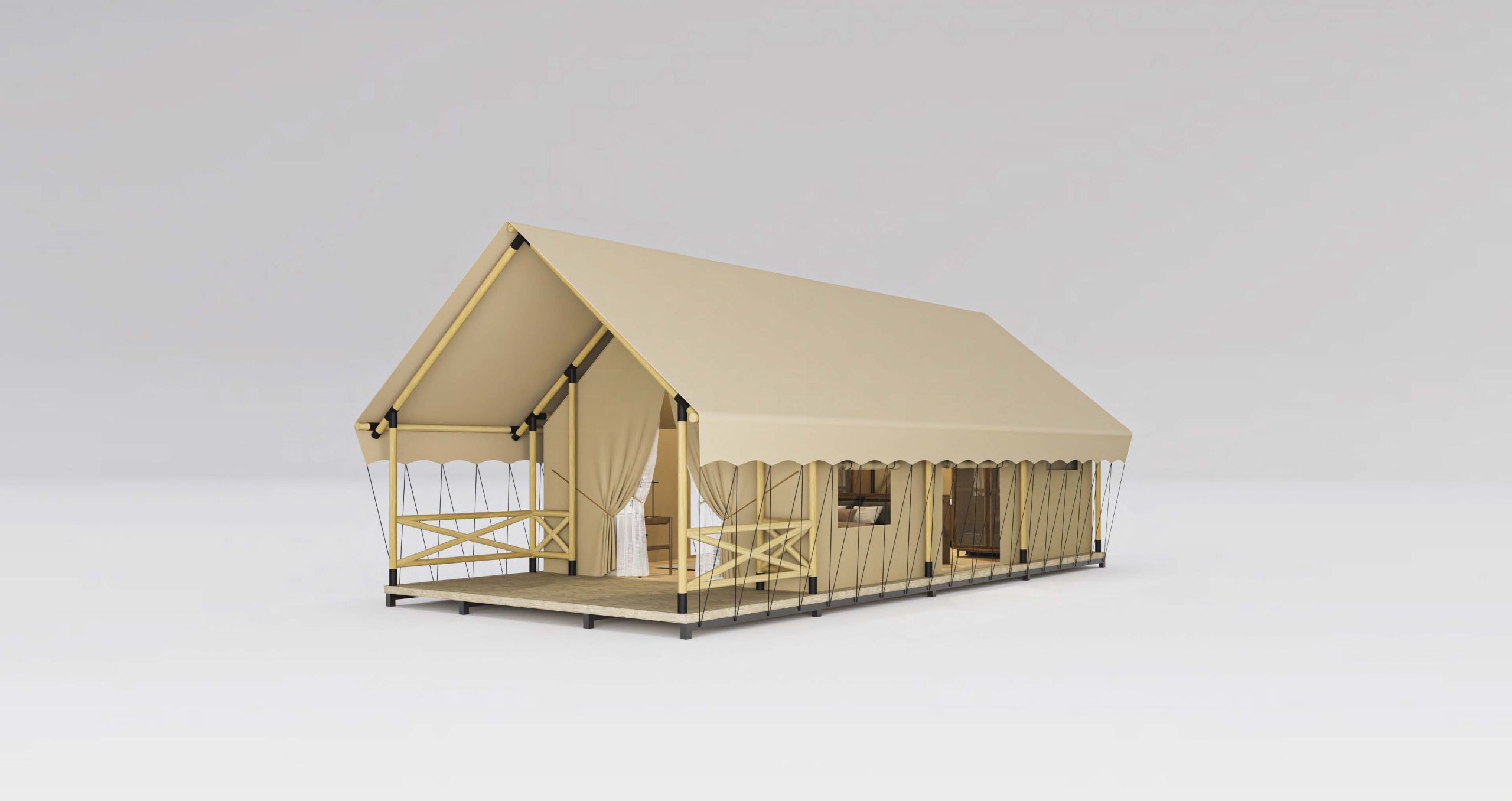
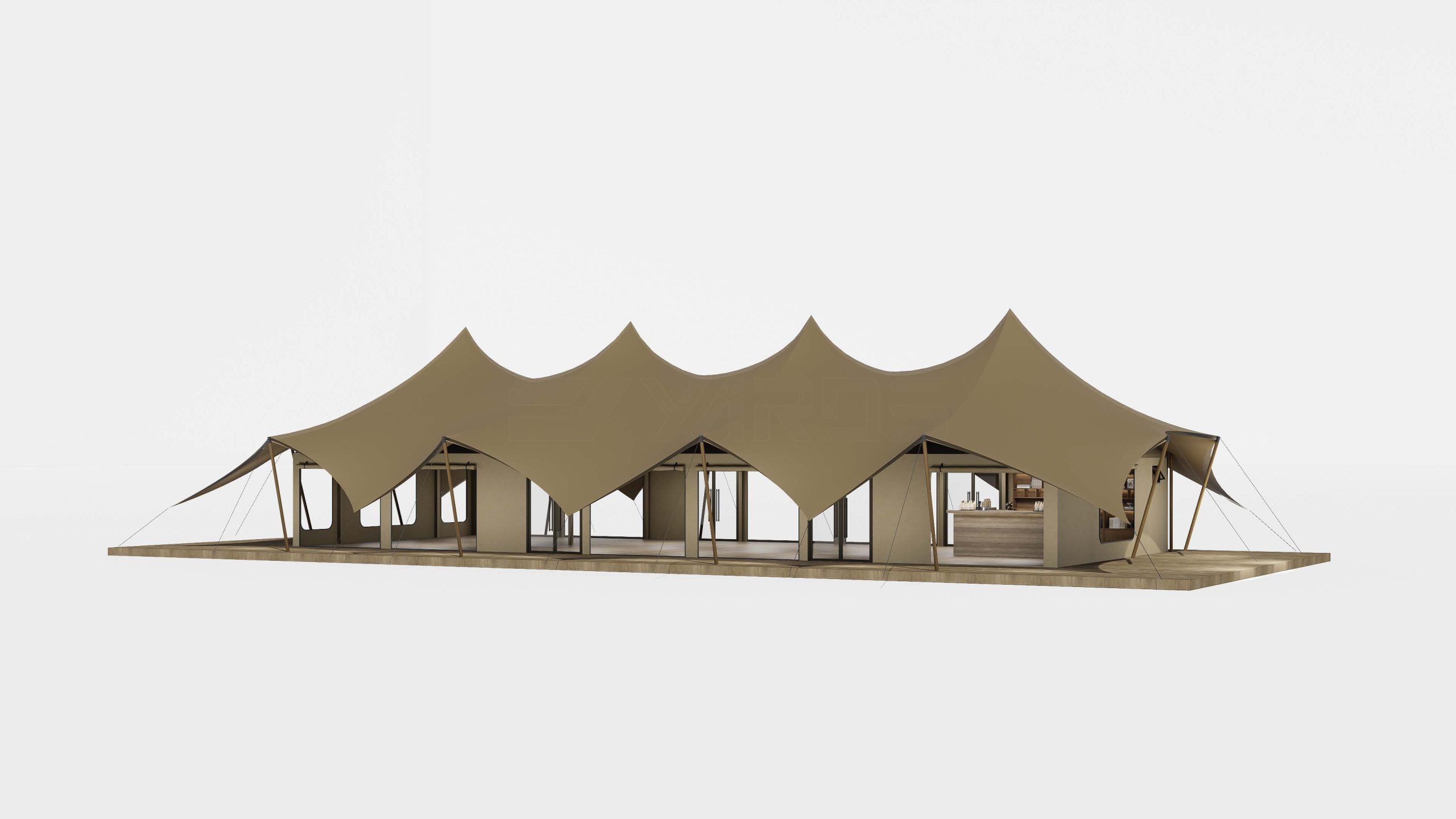
The lodge will have ten guest units and a Presidential Tent, which guests can book at a premium, and we will host a maximum of ten guests a week. Each unit sits on a raised timber deck along the shoreline, with an en-suite bathroom and a private deck looking out over the lake. The main lodge tent brings everyone together for meals, drinks and the inevitable stories of the ones that got away, and the evenings end on the deck around the firepit. There is Wi-Fi, solar power and our own water supply, and behind the scenes a workshop, laundry and dedicated quarters for guides and staff, laid out so the team can spend their time looking after guests.
On the water, you will fish from new boats outfitted with everything needed to fish efficiently and accurately, with a guiding team whose core has decades of experience on some of the world’s great fisheries. What none of us has is decades on this lake, because nobody does. We are still learning it with every trip, and that is exactly what makes it so exciting. Fishing Nyerere in these early seasons means being part of discovering a new fishery, and that is something to celebrate.
And then there is the setting. The lodge sits inside Nyerere National Park, one of the largest protected wilderness areas in Africa, home to elephant, buffalo, lion, leopard and African wild dog, and game drives will be on offer for anyone who wants a break from the water. Hippos and crocodiles patrol the lake edges and fish eagles call from the dead trees. Out on the water it is just your boat, your guide and kilometres of wild shoreline, on a fishery that until a few years ago did not exist.
Just Getting Started
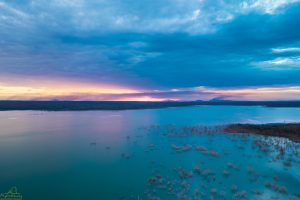 We are not done exploring. Our next trip will head east of the water we have fished so far, into bays and channels we spotted from the air but have not yet put a fly in. The Great Ruaha still has kilometres of river waiting beyond the point we reached, and every trip seems to turn up another spot we cannot wait to show you.
Two trips in, here is where we stand. The fishing is everything we hoped it would be, in winter and in spring. The lodge is on schedule for its first season in July 2027. And the team on the ground is doing an outstanding job of turning a wild piece of shoreline into somewhere truly special.
Thank you to everyone who has already shown interest in Lake Nyerere. We cannot wait to share it with you.
For more information or to secure your week in 2027, contact us or visit the Camp Lake Nyerere page.